REVIEW · ROVANIEMI
From Rovaniemi: Snowshoeing and Ice Fishing Tour
Book on GetYourGuide →Operated by Wild about Lapland · Bookable on GetYourGuide
Snowshoeing and ice fishing in one afternoon.
This Lapland tour pairs Arctic wildlife spotting with hands-on winter skills, set on a frozen lake far from the noise.
I love the active combo: snowshoe trekking through deep snow and then stepping onto the ice to learn ice-fishing basics, drill your own hole, and fish from your spot.
I also really like the survival-skills feel of the campfire portion, including making fire without matches with your guide.
The main drawback is simple: you’ll be outside in cold that can be extreme, and comfort depends on how well you’re layered (plus lunch is not included).
In This Review
- Key highlights worth caring about
- Getting out of Rovaniemi: the Arctic Circle drive and what you’ll learn first
- Snowshoeing across the frozen lake: walking 2 kilometers through real Lapland winter
- Ice fishing on a frozen lake: drilling your hole and setting realistic expectations
- The campfire skill stop: building fire without matches and warming up fast
- Gear, clothing, and comfort: what’s included (and what you must bring)
- Price and value: is $135 per person worth it for four hours?
- Who this tour suits best (and who should look elsewhere)
- Honest booking advice: should you book this snowshoeing and ice fishing tour?
- FAQ
- How long is the snowshoeing and ice fishing tour?
- Where does the tour start from, and is pickup included?
- What activities are included in the 4-hour experience?
- What’s included in the price?
- Is lunch included?
- What should I bring for the tour?
- Is the tour wheelchair accessible?
Key highlights worth caring about
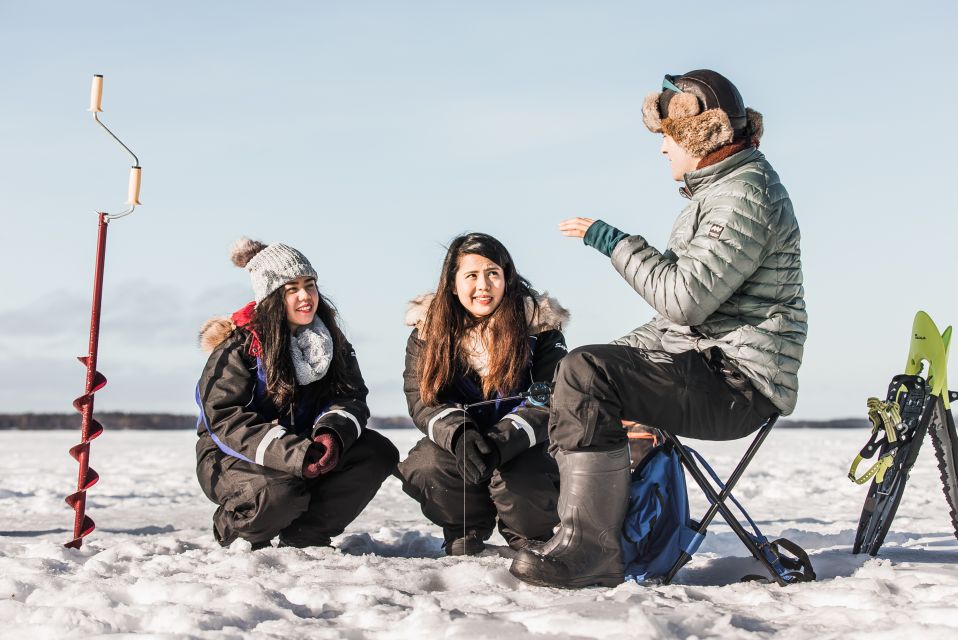
- Small group (up to 8 people): you get time, not just a quick demo.
- Hands-on ice fishing: set up your own fishing spot and drill your own hole.
- Fire-making without matches: a real skill, taught step-by-step at the warm-up camp.
- Arctic Circle area with real quiet: you drive north from Rovaniemi, then walk onto the frozen lake.
- Guides who tailor the experience: many tours are led by friendly, engaging guides (Jeremy, Archie, Matilda, Duncan, Ruben, and others).
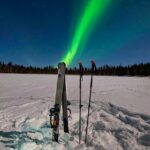
- Photo-friendly moments: frozen-lake views and wildlife signs make great camera stops.
Getting out of Rovaniemi: the Arctic Circle drive and what you’ll learn first
Most days start with pickup from your hotel if you’re outside the city center. Then you head out with the group and your English-speaking guide, usually about 20 kilometers north from Rovaniemi into the Arctic Circle area.
This drive matters more than you might think. You’re not just “traveling to an activity.” You’re moving into a very different rhythm—quieter air, colder ground, and a sky that feels wider. The guide also starts setting context right away, including Arctic animals and what to look for once you’re on the ground.
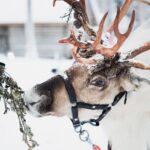
Some tours include wildlife sign-spotting on the walk, like seeing tracks of an Arctic hare. Even if you don’t get a dramatic animal sighting, you still get the habit of noticing: tracks, patterns in snow, and what the season does to the environment.
You can also read our reviews of more tours and experiences in Rovaniemi
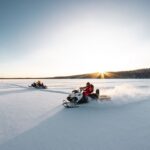
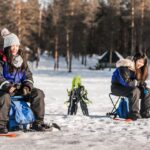
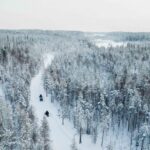
Snowshoeing across the frozen lake: walking 2 kilometers through real Lapland winter
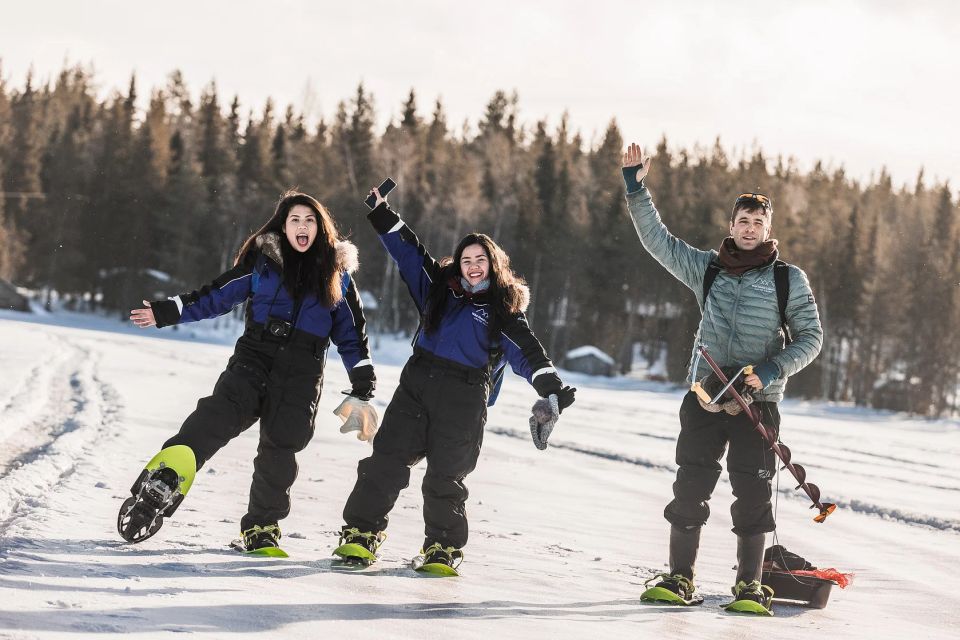
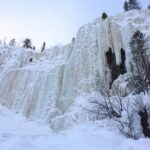
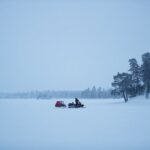
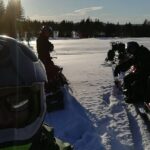
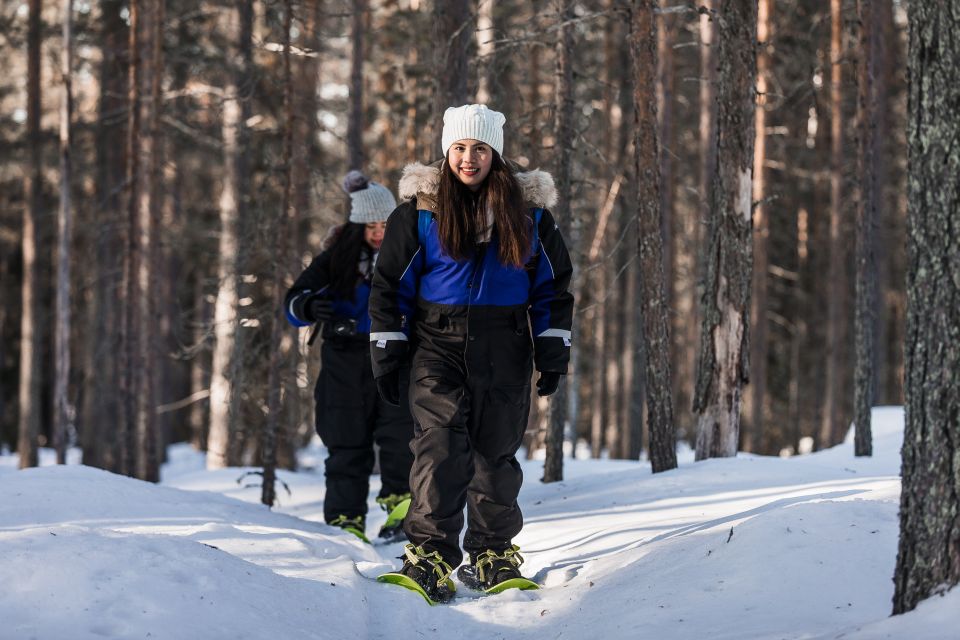
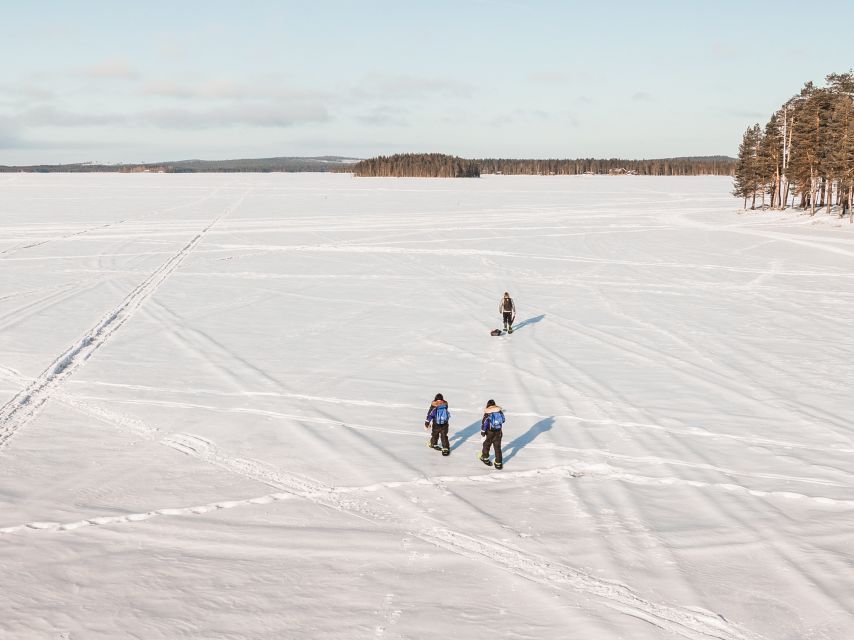
After you reach the lake area, the snowshoe part is the “feel it in your body” stage. You go from vehicle to snow, then start moving—often around 2 kilometers across a frozen lake area after the initial approach.
This is one of those activities where you can tell it’s run by people who actually do it. Snowshoeing in Lapland isn’t about speed. It’s about balance, steady steps, and learning how the snow supports you. A lot of guides keep things practical, and in multiple group experiences the trail is described as approachable, with help available for gear adjustments (for example, getting snowshoes fitted properly).
Here’s what I think makes the snowshoeing portion valuable for you:
- You slow down. Winter walking forces you to notice details—trees, snow texture, and weather changes.
- You build confidence before ice fishing. By the time you’re on the ice, you’re already warmed up and thinking clearly.
- It sets up the photos. The lake stretch and surrounding winter scenery tend to feel huge once you’re out there.
Just remember the weather factor: the tour runs in all conditions, and it can get extremely cold. Cold affects everything, especially hands, so you’ll want to keep your layers smart and your gloves dry.
Ice fishing on a frozen lake: drilling your hole and setting realistic expectations
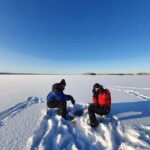
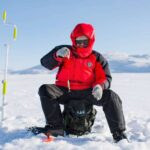
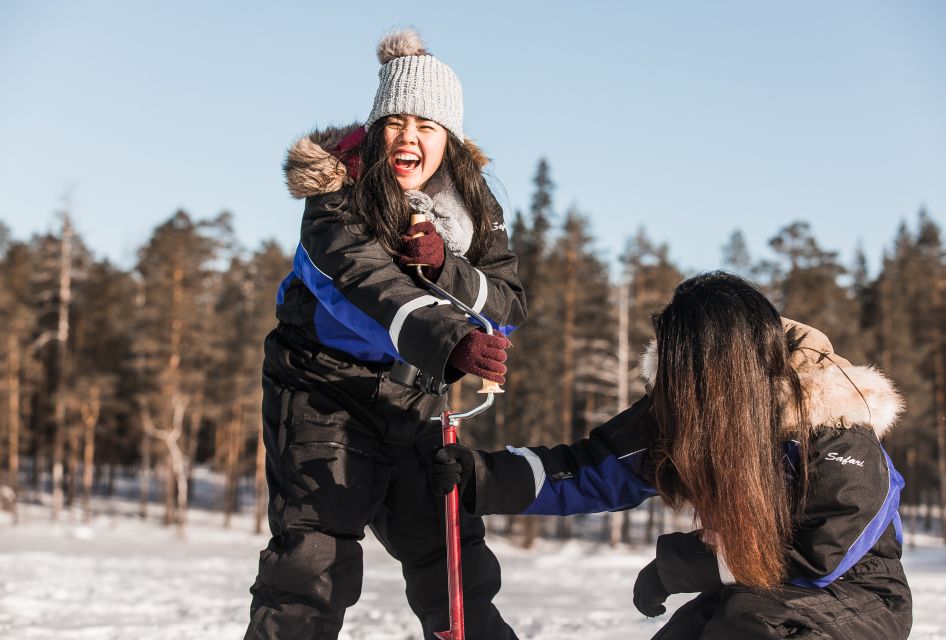
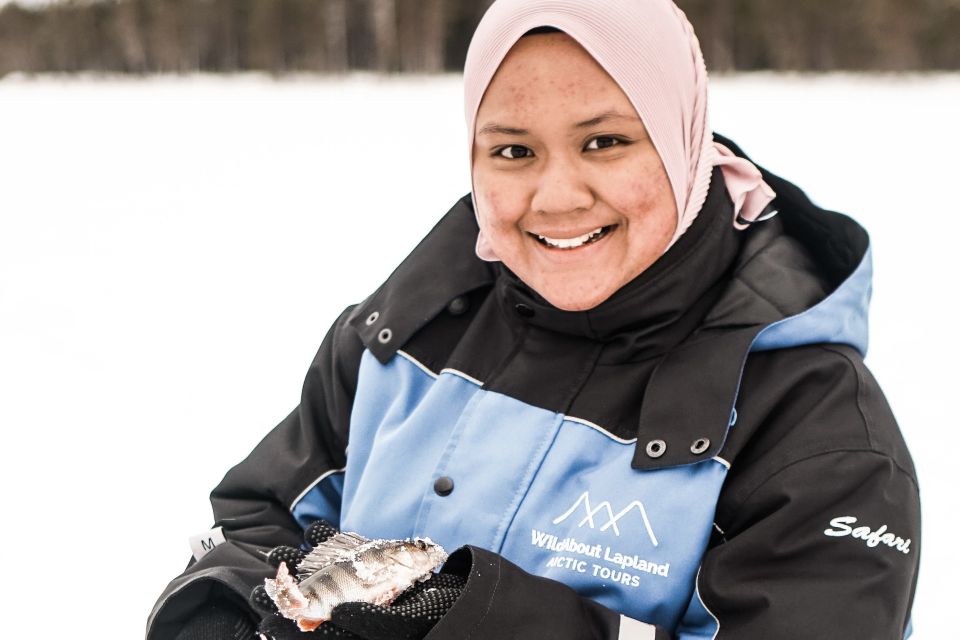
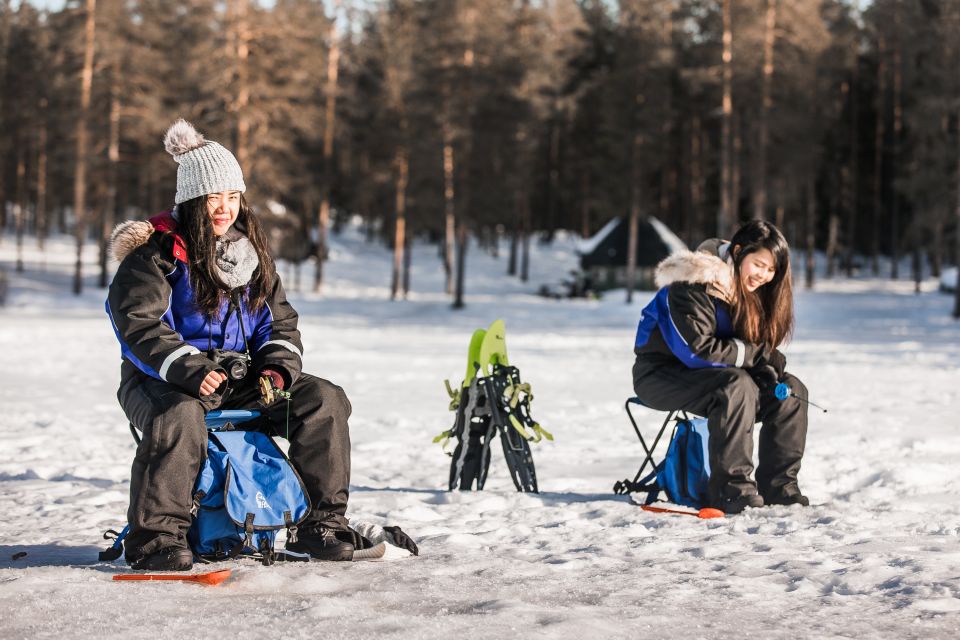
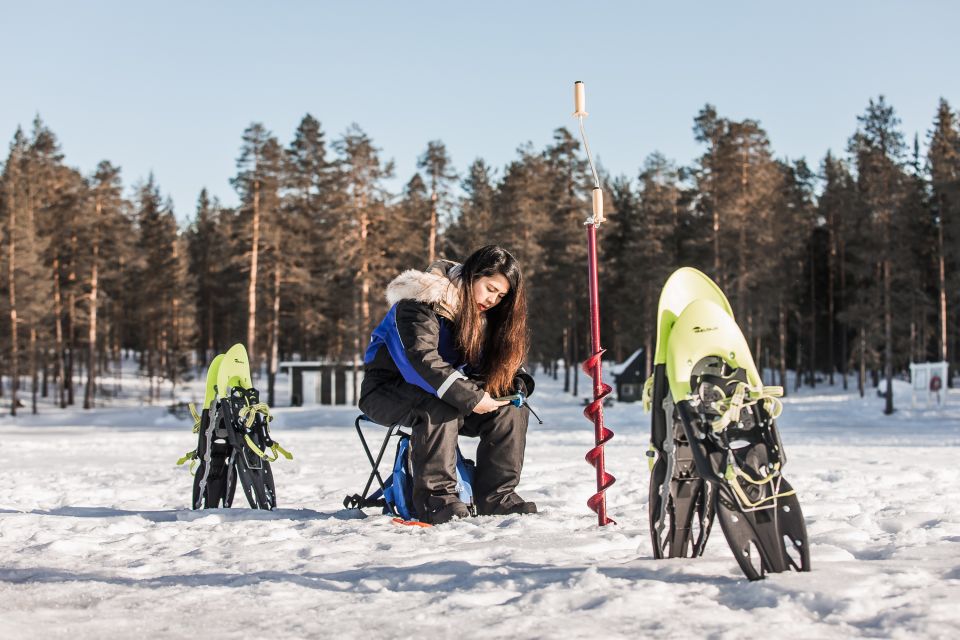
When it’s time for ice fishing, you transition from walking to staying focused. Your guide helps you find the right spot on the ice and teaches you the basics of how ice fishing works in this setting. Then you prepare your individual fishing setup—including drilling a hole.
One of the best things about this part is how much it’s centered on doing, not watching. You drill, set up, and fish from your own spot. That means you’re actively participating even if the bite is slow.
And the honest truth: fish aren’t always guaranteed. Many people have a peaceful time on the ice even when catches are rare, because the real value is learning the method, watching the water through the hole, and sharing quiet moments on a frozen lake.
A good guide helps you with the practical pieces that make or break your experience:
- where to drill and how to manage your drilling effort
- how to position your line and manage waiting time
- how to handle the cold so you can focus
If you’re hoping for a big fish story, be realistic. If you want a hands-on winter skill lesson in a dramatic setting, this portion delivers.
The campfire skill stop: building fire without matches and warming up fast
Soon after the ice fishing teaching starts, the rhythm shifts to warmth. Your guide will chop wood and get the campfire going, then show you how to make fire without matches—often using a magnesium rod technique in past experiences.
This is a favorite part because it’s both survival-minded and genuinely fun. You’re doing something you can’t replicate from home in most places. Plus, there’s a payoff: once fire is going, the day stops feeling like a test of endurance and starts feeling like a proper winter outing.
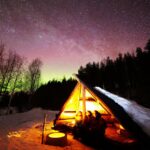
Most tours end up at a warm-up shelter—people have described warming up inside a tepee/tipi or kota-style camp. Then you get campfire food and hot drinks.
What you might get here (based on what’s been reported on similar days):
- warm camp snacks
- sausage cooked over the fire, often with bread
- hot tea or hot chocolate
- Finnish chocolate
- and even a vegetarian option
So even if you don’t catch fish, you leave with warmth, food, and a skill you’ll remember.
Gear, clothing, and comfort: what’s included (and what you must bring)
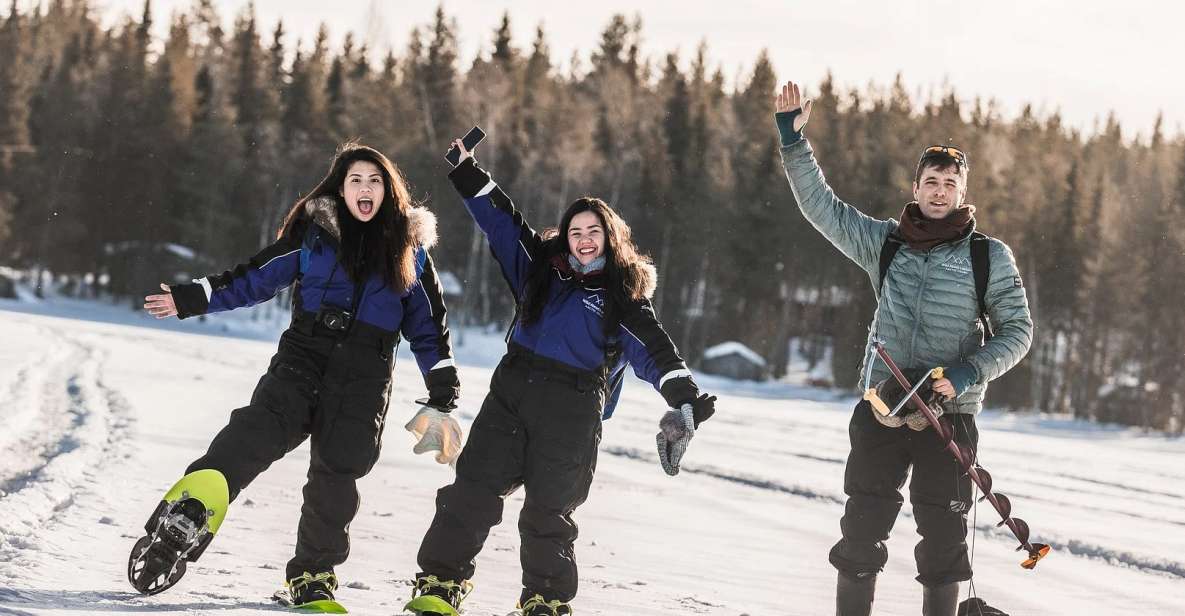
This tour includes a lot that makes winter activities safer and more enjoyable:
- snowshoe and ice-fishing equipment
- professional winter clothing/boots
- a professional guide
- campfire snack
- and taxes/fees handling
You’ll also get hotel pickup and drop-off for accommodations outside the city center, which is a real quality-of-life boost when it’s cold enough to make every walk to a meeting point feel like a chore.
Still, you shouldn’t treat included clothing as magic. You need your own base layers. The tour asks you to bring:
- warm clothing
- weather-appropriate clothing
- thermal clothing
One past guest noted that toes can get cold if the waterproof boots aren’t insulated enough for you, which is a good reminder: don’t assume every included boot will match your feet. If you run cold, plan to bring thicker thermal socks and make sure your layers work even if the temperature drops.
Price and value: is $135 per person worth it for four hours?
$135 for 4 hours sounds simple until you list what you’re paying for. Here’s where the value usually lands for you:
You’re not just buying access to a frozen lake. You’re paying for:
- guide time (English, small group)
- snowshoe and ice-fishing gear
- professional winter clothing/boots
- pickup/drop-off outside the city center
- an included winter food stop by the fire
Most other winter tours that feel similar charge extra for equipment or guide time. Here, the structure is built so you can actually do the activities: drill, fish, snowshoe, then make fire.
Also, small-group sizing matters at this price. With up to 8 participants, you’re more likely to get help when you need it—especially when you’re learning snowshoe fit or trying to manage the ice-fishing steps without rushing.
If you have a flexible schedule, this is a good-length tour too. Four hours is long enough to feel like a full winter experience, but short enough that you won’t spend your entire day freezing.
Who this tour suits best (and who should look elsewhere)
This is a great fit if you:
- want a hands-on Arctic activity, not a long bus ride with a short stop
- enjoy learning practical winter skills (especially fire-making)
- like small groups and attention from guides
- want a photo-friendly winter day with wide-open ice and sky
It’s less ideal if:
- you’re sensitive to extreme cold, because the tour operates in all weather conditions
- you need wheelchair accessibility, since it’s not suitable for wheelchair users
- you expect lunch to be included, because it’s not
If you’re traveling with a group of friends or a partner, the format tends to work well. You get quiet time on the ice, then warmth together in camp.
Honest booking advice: should you book this snowshoeing and ice fishing tour?
I’d book it if you want a real Lapland winter day with skills you’ll use again—especially the fire-making lesson and the chance to drill and fish on your own spot. The small group limit and the guide-led help are the main reasons this feels worth it.
I’d think twice only if you hate cold or you tend to get uncomfortable fast without total control over your layering. This is an outdoor tour designed for winter. Plan like it.
If you’re ready for snow under your feet, a frozen-lake silence, and the satisfaction of making fire without matches, this is one of those tours that turns your Arctic trip into a memory you can actually explain.
FAQ
How long is the snowshoeing and ice fishing tour?
The tour lasts 4 hours.
Where does the tour start from, and is pickup included?
Pickup and drop-off are included for accommodations outside the city center in Rovaniemi.
What activities are included in the 4-hour experience?
You’ll snowshoe through the winter environment, then go ice fishing on a frozen lake, and you’ll also make a fire without matches with help from your guide.
What’s included in the price?
The price includes equipment for snowshoeing and ice fishing, professional winter clothing/boots, a guide, a campfire snack, and all taxes, fees, and handling charges.
Is lunch included?
No, lunch is not included.
What should I bring for the tour?
Bring warm clothing, weather-appropriate clothing, and thermal clothing.
Is the tour wheelchair accessible?
No, it’s not suitable for wheelchair users.