REVIEW · ROVANIEMI
Ski Trekking under the Northern Lights
Book on GetYourGuide →Operated by Wild about Lapland · Bookable on GetYourGuide
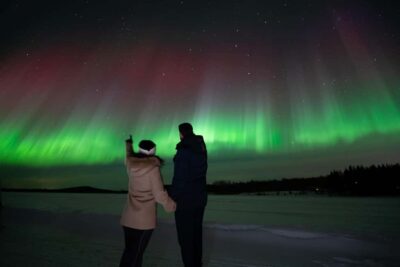
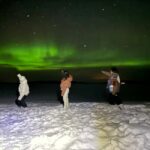
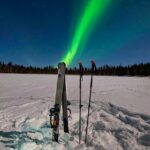
Snow, stars, and skis in the same 3.5 hours. This is a backcountry ski trek through remote Finnish Lapland, far from city lights, timed for your best odds to catch the Northern Lights if the sky cooperates.
What I like most is the way the tour is built for real nature time, not just a quick photo stop. You’ll get equipment and winter layers included, plus a professional guide who helps you get moving in deep snow, usually for 90–120 minutes.
The main drawback to know up front: skiing is not guaranteed to be fast or dramatic, and the Northern Lights are never promised. If you’re expecting guaranteed aurora fireworks and aggressive runs, you may feel a bit let down when clouds show up—or if the technique clicks later than you hoped.
In This Review
- Key takeaways before you go
- Backcountry skiing under the Northern Lights: what this tour really is
- The group, the guide, and why “small” changes everything
- Your 3.5 hours: a clear flow from pick-up to return
- 1) Start near Rovaniemi (or walk to the office)
- 2) Gear up before you touch the snow
- 3) A quick safety briefing and technique tips
- 4) The main trek in remote Lapland
- 5) Halfway warm-up: campfire snacks and Northern Lights talk
- 6) Finish and return to Rovaniemi
- Northern Lights odds: your best chance, but not a guarantee
- What the skiing feels like (and how to avoid disappointment)
- Mid-trek campfire: the part you’ll remember on the ride home
- Price and value: is $140 fair?
- Who this tour is best for (and who should skip it)
- Small weather truth: you still get something if aurora is low
- Practical tips to make your ski trek better
- Should you book Ski Trekking under the Northern Lights?
- FAQ
- What’s the duration of the ski trek?
- Is the Northern Lights guaranteed?
- Do I need my own skiing equipment?
- Is the activity beginner-friendly?
- What should I bring?
- How big are the groups?
- Does the tour run in bad weather?
- Can children join?
- Is alcohol allowed?
- Who should not join for medical reasons?
Key takeaways before you go
- Small group size (max 8) keeps the experience personal and lets the guide adjust to your pace
- Skin skis on the bottom make uphill and downhill more doable than you’d expect for beginners
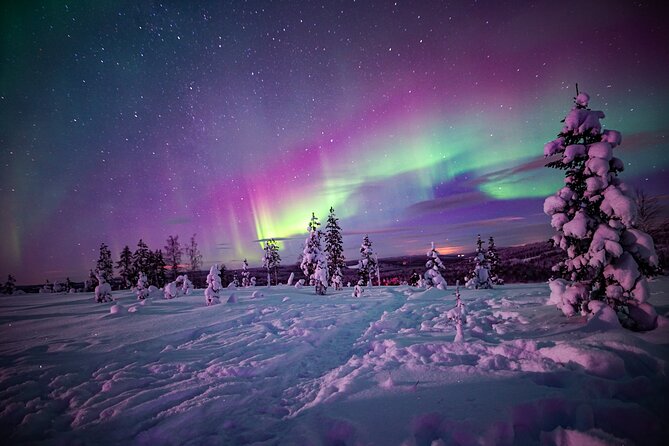
- Remote locations away from Rovaniemi improve your odds of seeing the sky show
- Campfire snack halfway gives you a warm reset and a chance to learn about Arctic life
- Any-weather operation means you’ll still ski even when aurora chances are low
Backcountry skiing under the Northern Lights: what this tour really is
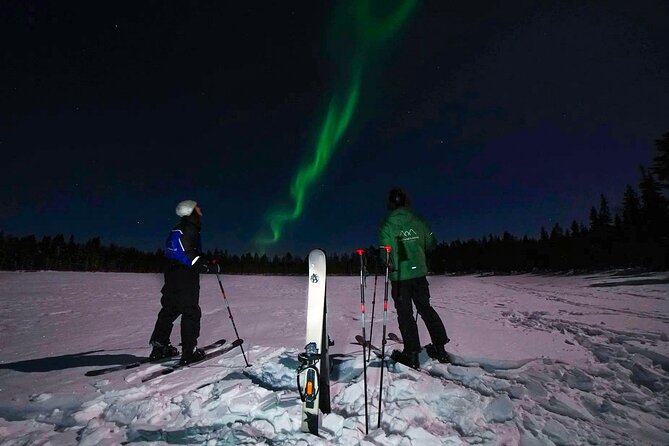
This tour is a practical mix of two ideas that work well together in Lapland: active winter travel and night-sky viewing. During the day (or late afternoon into evening), you head out from Rovaniemi area and move across snowy backcountry using backcountry skis, not groomed-trail skis.
The big advantage of backcountry skiing here is that it’s designed to be approachable. Unlike classic cross-country skiing on marked tracks, you don’t need special Nordic boots or a ton of training history. With the skis fitted with skins (that grippy material on the base), you can climb without constant slipping, and you can slide downhill without gaining terrifying speed. For many first-timers, that means you spend more time moving through snow and less time worrying whether you’re doing it wrong.
And because the guiding plan focuses on location, the night-sky part has a real chance. The spots are chosen to be well away from Rovaniemi, which matters because light pollution can smother weak aurora activity.
You can also read our reviews of more hiking tours in Rovaniemi
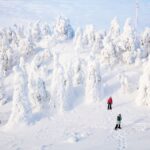
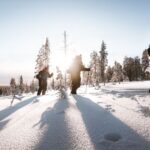
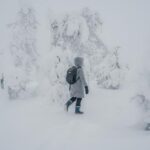
The group, the guide, and why “small” changes everything
This is capped at 8 participants, with an English-speaking professional guide. That limit isn’t a marketing line—it affects how the tour feels. In a smaller group, your guide can watch how you’re transferring weight on the skis, adjust how fast you go, and spend time answering questions without rushing.
One detail that stuck from past outings: guests have been guided by instructors like Guille, who keeps the pace human and the stops useful. In at least one experience, Guille also taught guests how to make a fire partway through the evening using items found in the natural surroundings—exactly the kind of hands-on Arctic skill that’s hard to deliver in a big, fast-moving group.
Your 3.5 hours: a clear flow from pick-up to return
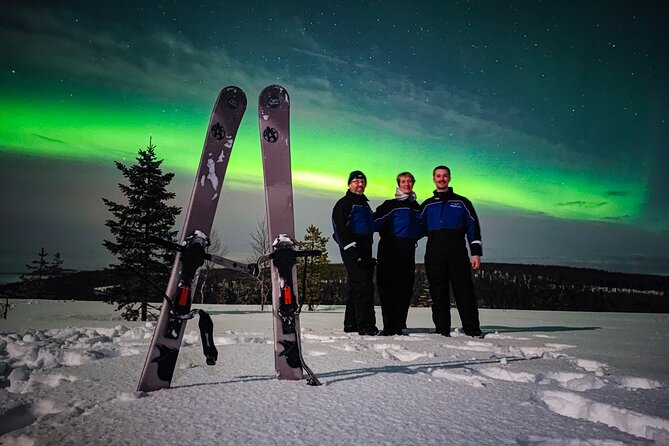
The whole experience lasts 3.5 hours, including transportation to/from Rovaniemi, skiing time in the wilderness, and the campfire break. Actual skiing is typically around 90–120 minutes, depending on your level and how the guide shapes the route.
Here’s the rhythm you can expect:
1) Start near Rovaniemi (or walk to the office)
If you’re staying outside the city centre, you can get hotel pick-up/drop-off. If you’re in the Rovaniemi city center, city pickups aren’t done anymore, so you’ll need to walk to the meeting point at Rovakatu 24 (96200 Rovaniemi).
Why this matters: it keeps things more sustainable and also reduces dead-time waiting around in traffic. If you’re not staying near the office, double-check that your pick-up details match your exact address, since accommodations outside the Rovaniemi city area can have extra pickup charges.
2) Gear up before you touch the snow
Once you’re with the group, you’ll get ski equipment plus poles, and you’ll be outfitted with professional winter overalls and boots. Even if you’ve skied before, this is helpful because the guide is controlling for the gear fit, which can make a big difference in comfort during 90–120 minutes in cold.
You should still bring warm clothing (in layers) and water. The tour provides cold-weather gear, but your base layers matter for staying comfortable, especially when you stop at the campfire.
You can also read our reviews of more tours and experiences in Rovaniemi
3) A quick safety briefing and technique tips
Before you set off, the guide gives safety instructions and teaches key basics for sliding in fresh snow. This is where you can set yourself up for success. Backcountry skiing on deep snow has a different feel than groomed trails, and most “I’m not skiing well” moments happen when you don’t get the simple technique right away.
If something feels off, ask early. Tiny changes—stance width, how you balance while turning, how you manage speed—can make the difference between “feels like walking” and “oh, this is actually fun.”
4) The main trek in remote Lapland
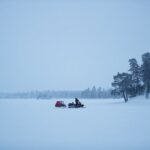
This is the core of the tour: you head away from city lights into snowy backcountry. The guide chooses the route based on your group’s level and on aurora odds. That two-part goal is important: the best night-sky viewing spots aren’t always the most convenient ski terrain, so the route is a compromise guided by the sky forecast.
Expect an experience that’s more about moving through a quiet Arctic environment than pounding steep terrain. Snow can be deep, the pace may be steady, and you may stop occasionally to regroup or to help someone find a better rhythm.
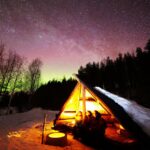
5) Halfway warm-up: campfire snacks and Northern Lights talk
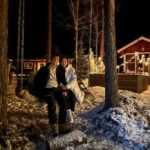
About halfway through, you’ll pause for a campfire snack and hot drinks. The guide lights a fire to keep everyone warm. This break is not just food—it’s your mental reset. After time in cold and wind, a hot drink and something to eat keeps your energy steady for the rest of the trek.
It’s also a good time to learn more about the Northern Lights and local Arctic life. You’re out there for nature, but it helps to understand what you’re watching (and why you might not see it at all).
6) Finish and return to Rovaniemi
After the second stretch of skiing, you head back. The total timeline keeps the tour from dragging too long, which is a plus when you’re cold and your movement is limited by winter clothing layers.
Northern Lights odds: your best chance, but not a guarantee
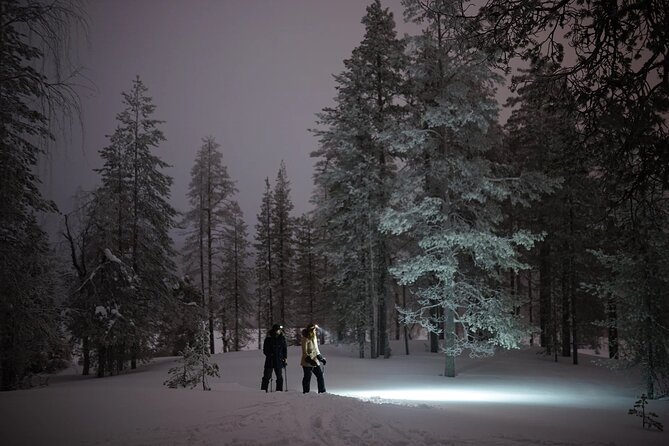
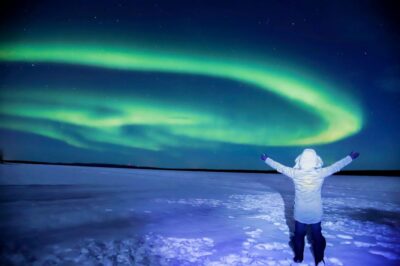
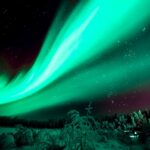
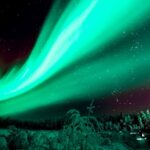
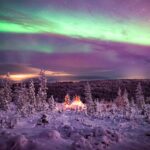
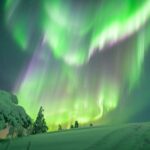
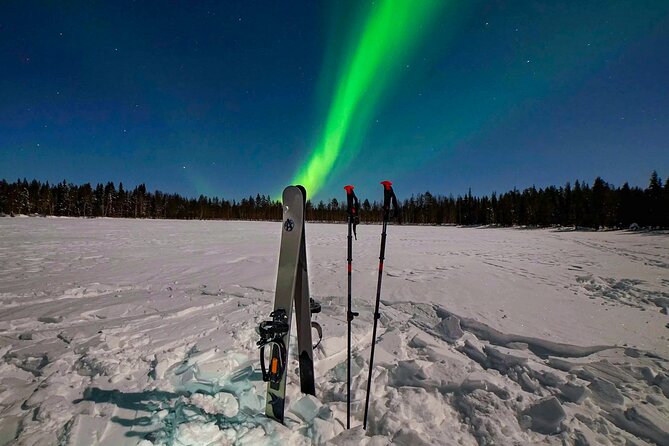
The tour offers a good chance to observe the Northern Lights because the locations are away from Rovaniemi. But you have to treat this like a natural event, not a scheduled show.
Weather is the deciding factor. If clouds roll in, you might get stars instead of aurora. That still can be stunning, especially when you’re far from artificial light.
One earlier experience was exactly that: no aurora due to cloud cover, but the group had a clear night sky full of stars. That’s a realistic win. Another experience also mentioned the lights didn’t appear because of cloudiness, yet the skiing and campfire moment were still worth it.
So aim for two outcomes:
- you’ll have a great winter ski adventure either way
- you’ll try for the aurora, knowing it’s weather-dependent
What the skiing feels like (and how to avoid disappointment)
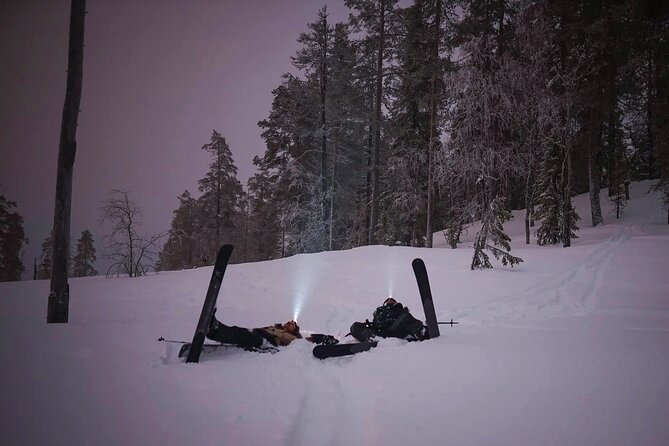
Backcountry skiing can be a surprise for people who expect fast, sporty downhill runs. The reality is often gentler and more methodical—especially early on.
Here’s what can influence your experience:
- Technique matters. If you don’t get the basic stance or how to manage turns, it can feel more like walking than skiing.
- Snow depth slows everything down. Deep, unpacked snow makes the terrain harder. That’s part of the authenticity, but it also means you’ll work more.
- The guide shapes your route. You won’t be thrown into terrain that’s beyond your level, but you might still feel challenged if you’re unprepared for cold and endurance.
One past review described the experience feeling more like walking than skiing when technique wasn’t right. If you want the “wow” feeling, don’t wait until the end to ask for corrections. Get help at the start and you’ll likely enjoy the motion much more.
Mid-trek campfire: the part you’ll remember on the ride home
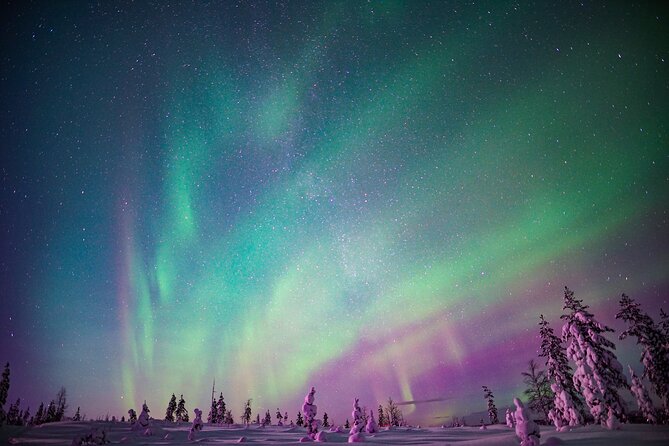
Many cold-weather activities fail at one thing: warmth and human connection. This one builds in a warm stop with campfire snacks and hot drinks—and it’s paired with learning.
If your goal is more than just seeing a sky, this is where the tour earns its place. The fire break turns the trek into a story: out in the quiet forest, learning how Arctic life and Northern Lights fit together, then back out into the snow again.
One experience with Guille highlighted how guests were taught to make a fire themselves using materials found in the natural surroundings. Even if you don’t become a survival wizard, having that hands-on moment makes the whole night feel more grounded and less like a tour bus stop in winter clothes.
Price and value: is $140 fair?
At $140 per person for 3.5 hours, this tour is priced like a guided, equipment-included small-group night experience. You’re not just paying for transportation—you’re paying for:
- a professional guide
- ski equipment (including skis and poles) plus boots and winter overalls
- campfire snacks and hot drinks
- time out in remote areas away from city lights
- a group cap of 8, which lowers the ratio of guide-to-people
So the value depends on your expectations. If you want Northern Lights guaranteed, no tour here can deliver that. If you want an active, guided winter evening with real nature time—and a real chance at the aurora—the pricing can feel fair.
Who this tour is best for (and who should skip it)
This experience is designed for adults and older kids. It is not suitable for children under 12.
It also comes with a medical caution: it’s not recommended for participants with heart complaints or other serious medical conditions, and it may require a certain amount of endurance. That makes sense—cold weather plus active trekking plus winter gear adds up.
If you’re in good health and you’re comfortable being outside in winter, it’s a great choice for:
- first-time winter adventurers who want gear provided
- people who prefer exploring off main roads in nature
- aurora chasers who also care about daytime/early evening activities
If you’re expecting an easy stroll, this isn’t that. It’s an Arctic ski trek, not a seated viewing.
Small weather truth: you still get something if aurora is low
A key promise is that the activity runs in any weather conditions. Even when prediction chances are low, you’ll still enjoy a great ski trekking experience in the wilderness.
That’s the right setup. Aurora viewing is luck. But the skiing, the campfire warmth, and the sense of leaving the city behind are the reliable parts.
Practical tips to make your ski trek better
A few things you can do to tilt the odds in your favor:
- Wear layered warm clothing. Even with provided outer gear, your base matters.
- Bring water. Cold makes you less thirsty, but you still need fluids.
- Be ready for endurance. You’ll be outside, moving, and stopping in cold.
- Listen to the guide’s technique early and ask for corrections quickly if needed.
- Take the aurora pressure off your brain. If it’s cloudy, treat it as a stars-and-snow night.
Should you book Ski Trekking under the Northern Lights?
Book it if you want a guided Arctic backcountry ski adventure with small-group attention, warm campfire food halfway, and a real shot at seeing the Northern Lights in darker, remote areas.
Skip it if you:
- need the Northern Lights as a guaranteed must-see
- expect fast downhill skiing for beginners without technique coaching
- have heart problems or serious medical conditions, since the tour isn’t recommended for those situations
- are traveling with kids under 12
If your goal is a winter evening that feels like you left the city behind—quiet trees, deep snow, and a guide who keeps you moving safely—this is the kind of tour that delivers even when the sky stays stubborn.
FAQ
What’s the duration of the ski trek?
The tour lasts 3.5 hours total, including transportation, skiing time in nature (about 90–120 minutes), and the campfire snack.
Is the Northern Lights guaranteed?
No. The Northern Lights are a natural occurrence, so color and vibrancy can’t be guaranteed, and you may not see them if weather conditions aren’t right.
Do I need my own skiing equipment?
No. You’ll be provided with skis and poles, along with professional winter overalls and boots.
Is the activity beginner-friendly?
It’s designed to be accessible. Backcountry skiing here uses skis with skins on the bottom so you can go uphill and downhill more comfortably, and the guide teaches you techniques for fresh snow.
What should I bring?
Bring warm clothing and water. Cold-weather clothing is provided, but dressing appropriately still matters.
How big are the groups?
Groups are limited to a maximum of 8 participants, which helps keep the experience more personal.
Does the tour run in bad weather?
Yes. The tour operates in any weather conditions, so you’ll still ski even if aurora chances are lower.
Can children join?
No. It’s not suitable for children under 12.
Is alcohol allowed?
No. Alcohol and drugs are not allowed.
Who should not join for medical reasons?
It is not recommended for participants with heart complaints or other serious medical conditions.