REVIEW · ROVANIEMI
Wilderness Survival Tour – Winter
Book on Viator →Operated by Wild About Lapland · Bookable on Viator
Snowproof skills beat any souvenir. In Rovaniemi’s winter forests, I like that you get winter clothing and boots plus a hands-on guide to reading animal tracks and building a fire. It’s a tight 3.5-hour outing that mixes real survival basics with the kind of Arctic nature knowledge you can’t pick up from a brochure.
One thing to think about: winter here can mean deep cold (down to -30°C), and the experience depends on having good conditions, even if it runs in bad weather when possible. Dress for real winter, and plan for no lunch being included.
In This Review
- Key highlights at a glance
- Winter Survival Tour – Winter in Rovaniemi: Skill Practice Meets Real Taiga Quiet
- The logistics that actually matter: meeting point, transfers, and time on the trail
- What you do on the forest route (and why Stop 1 makes sense)
- Fire-making and outdoor cooking: the survival skill that feels like a reward
- Reading winter clues: animal tracks, plants, and wildlife in snow
- Cold-weather comfort: what -30°C really means for your planning
- Price and value in real terms: what $106.82 buys you
- Who this tour fits best (and who might want a different plan)
- Should you book the Wilderness Survival Tour – Winter?
- FAQ
- Where does the Wilderness Survival Tour – Winter start?
- How long is the tour?
- How big is the group?
- Is the tour offered in English?
- What winter clothing and boots are provided?
- What food and drinks are included?
- Is lunch included?
- What temperatures should I expect in winter?
- Is free cancellation available?
- What happens if weather is poor?
Key highlights at a glance
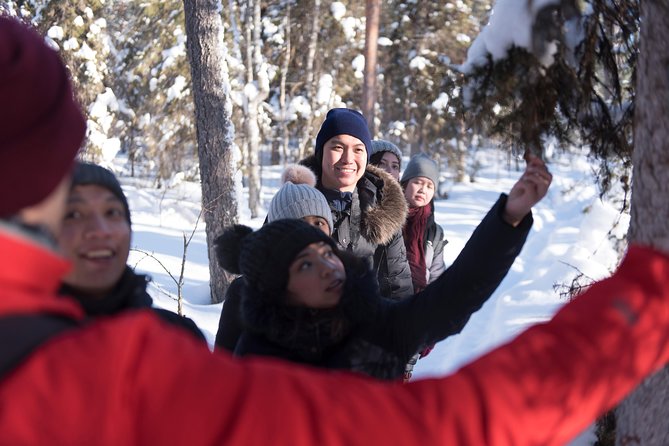
- Up to 8 people means you get time with the guide, not just a long line behind strangers
- Fire-making teaching happens with warmth-building breaks and practical outdoors cooking
- Animal track spotting in snow, from wolves and lynx to reindeer and Arctic hare
- Forest skills and plant/tree talk that helps you notice what you walk past
- Transfers and winter gear included, so you spend less time shopping and more time outside
Winter Survival Tour – Winter in Rovaniemi: Skill Practice Meets Real Taiga Quiet
Rovaniemi is famous for winter magic, but this Wilderness Survival Tour – Winter keeps the focus on something more useful: how to move through the Taiga forest with confidence when it’s cold, snowy, and quiet. The goal is not a stunt. It’s the kind of basic know-how that makes you feel less like a visitor and more like a careful observer.
A big part of the appeal is the small group size. With a maximum of eight, you’re less likely to feel rushed, and you can ask questions while you’re standing in the snow. The guide’s explanations can come at the pace that makes sense for your group, which matters when temperatures are biting and everyone wants to keep hands warm.
Another reason I like this tour concept: it turns “nature viewing” into learning. You’re not just looking at trees; you’re learning what to notice. You’re not only seeing footprints; you’re practicing how to interpret them. And that fire skill at the end is the emotional payoff: warmth, food, and the satisfaction of doing something practical outdoors.
You can also read our reviews of more tours and experiences in Rovaniemi


The logistics that actually matter: meeting point, transfers, and time on the trail
The tour starts at Wild About Lapland, Rova katu 24, 96100 Rovaniemi, and it ends back at the same place. If you’re staying outside the city center, the package includes hotel pick-up and drop-off (so you don’t have to figure out local transport in winter darkness).
Duration is around 3 hours 30 minutes. That’s enough time to feel like you escaped the town lights, but it’s not so long that you’ll be miserable if the cold bites harder than expected. The tour uses a mobile ticket, and it’s offered in English, which helps if your Finnish is still stuck at ordering coffee.
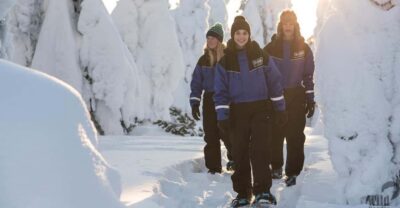
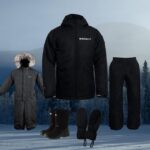
One more practical plus: professional winter clothing and boots are included. That changes the whole cost equation. Instead of paying for rental gear or crossing your fingers your own winter stuff is enough, the tour supplies the basics you need to stay outside without constant discomfort. Still, bring your own common-sense extras if you have them (like gloves that fit well and keep moving comfortably).
What you do on the forest route (and why Stop 1 makes sense)
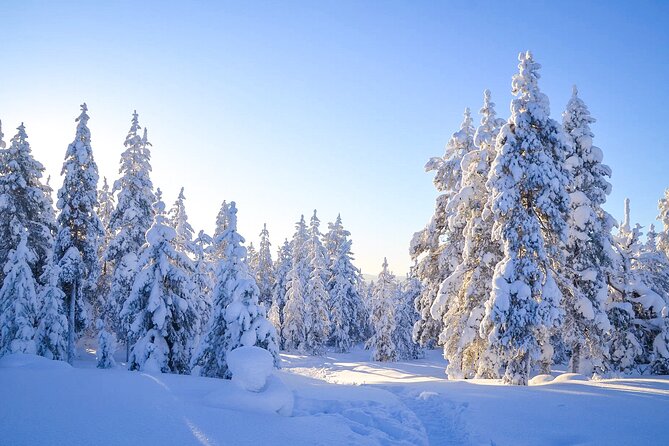
Your main direction is simple: you go from Rovaniemi out into the Lappish forests and Taiga surroundings with your guide. Stop 1 is labeled Lapland, but what that really means in practice is your transition from town routines into snow-country reality.
Once you’re out there, the tour usually builds in a steady rhythm:
- You get pointers on the area—trees, plants, and wildlife clues.
- You walk far enough to find fresh tracks and signs in snow.
- You pause for views and practical moments, like an observation stop and crossing points such as a bridge.
That structure matters because winter survival teaching isn’t useful if you only hear it from inside a warm van. You learn better when you can see what the guide is talking about: a footprint pattern, the way snow looks near vegetation, or what kinds of signs animals tend to leave.
Fire-making and outdoor cooking: the survival skill that feels like a reward
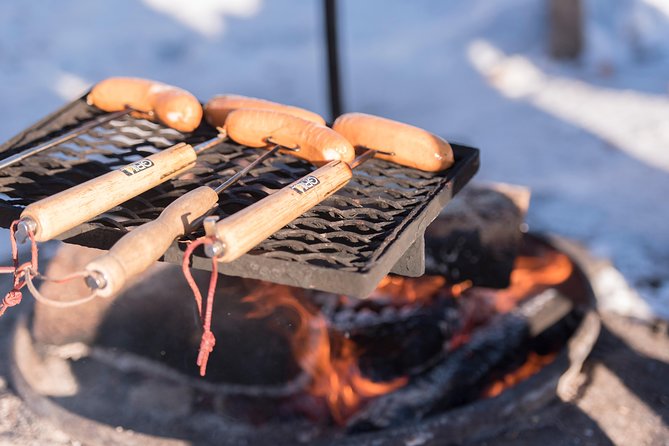
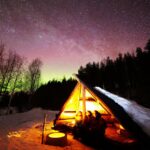
The fire lesson is the centerpiece. You’ll learn how to use what’s around you to start a fire and how to keep it going long enough to be useful. This is where the tour earns its name: it’s not only theory. It’s hands-on outdoors work, guided step by step with the right winter mindset.
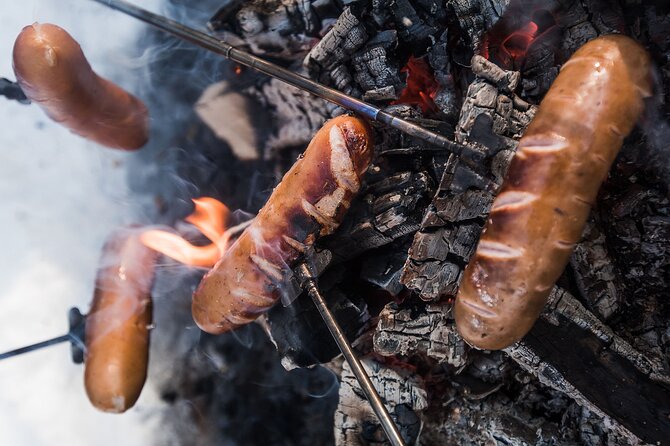
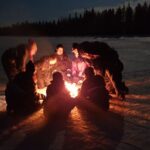
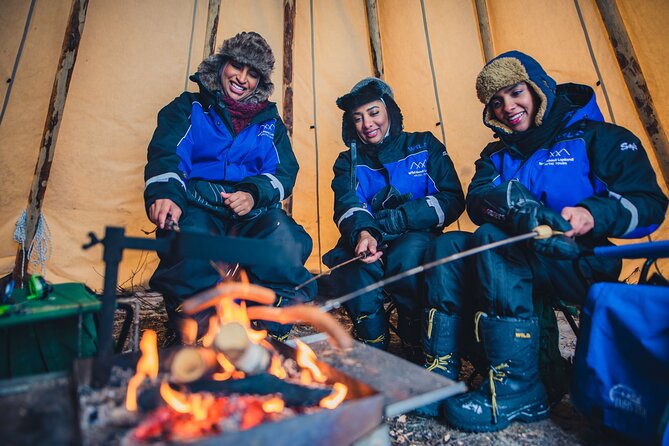
You’ll also get campfire snacks halfway, because the point isn’t to freeze and then learn later. The guide lights the fire to warm you up, and coffee or tea is included as part of that break.
In one commonly mentioned menu style, the campfire food includes Finnish sausages served in bread with mustard, plus hot cocoa, with vegetarian options. Even if the exact snack varies by day, the pattern stays the same: warm up, eat something simple outdoors, and keep your hands ready for the next step.
This is also where good guides shine. On this type of tour, you’ll notice how they handle pacing, safety, and explanations. Names that have come up include guides like Hena, Atanas, and also professional team members such as Patrik, Lola, and Gianni. What connects them in feedback is clear teaching and calm professionalism—exactly what you want when the temperature is dropping.
Reading winter clues: animal tracks, plants, and wildlife in snow
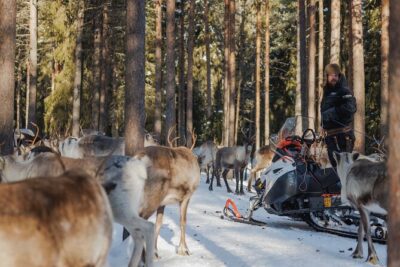
In winter, animals are easier to find through signs than through sightings. This tour leans hard into that reality with track spotting. You’ll learn about footprints you find around you, including tracks associated with wolves, lynx, wolverines, moose, reindeer, weasels, and Arctic hare, plus other wildlife signs your guide points out.
Why this part is valuable: it turns winter walking into a detective game. Instead of scanning the sky and hoping for movement, you start looking at the ground. You learn how to slow down, notice spacing, and think about direction. Even if you never see an animal directly, you still leave with the sense that you understand what’s happening in the forest at your level.
The same approach applies to plants and trees. You’ll get explanation about trees and plants and how their properties connect to survival thinking. The goal isn’t to turn you into a botanist. It’s to give you awareness so you can make better use of your environment and recognize what matters.
Cold-weather comfort: what -30°C really means for your planning
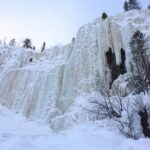
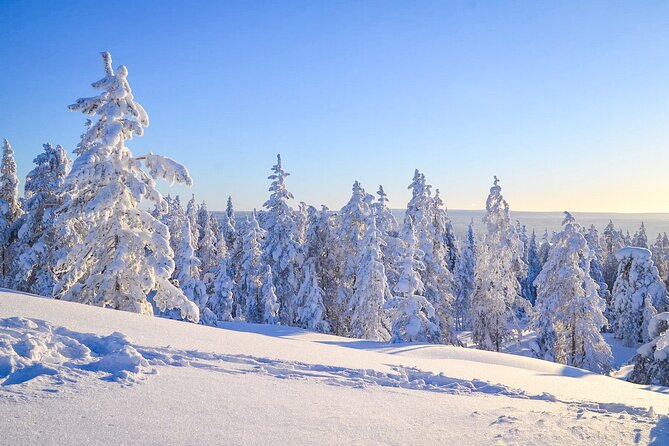
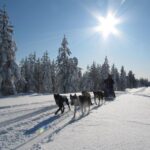
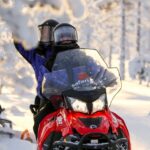
Winter info here isn’t casual. The tour notes temperatures may drop to around -30°C, plus the experience is outdoors in snow conditions with frozen trees and huge snow drifts. That means you should treat clothing as your first survival tool.
Since winter clothing and boots are included, you’re already starting ahead. Still, you’ll want to be honest about your comfort tolerance. If you hate cold, this may feel like a struggle even with good gear. If you like winter and you dress smart, this kind of cold can feel invigorating—because the tour builds warmth breaks into the schedule.
A simple tip: focus on layers and glove control. If your gloves are too thick to handle small tasks, the fire lesson can feel harder. If your boots fit well, your pace will be easier, and you’ll spend less energy fighting discomfort.
Price and value in real terms: what $106.82 buys you
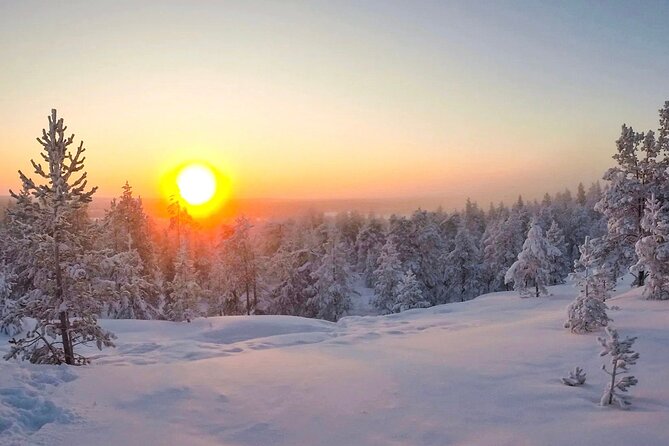
At $106.82 per person for about 3 hours 30 minutes, this isn’t the cheapest thing in Rovaniemi. But it’s also not priced like a souvenir show. The value comes from the bundle of practical items and time:
- A professional guide focused on outdoors teaching
- Hotel pick-up/drop-off for accommodations outside the city center
- Winter clothing and boots included
- Coffee/tea and campfire snacks halfway through
- A small group size that supports questions and hands-on practice
The one miss on the basic needs list is lunch—lunch is not included. If you care about eating a full meal, plan to handle it before or after the tour, depending on the time slot you choose.
Also, the tour is often booked in advance (around 52 days on average). That’s a hint: if you want a specific time window, don’t wait until the last minute.
Who this tour fits best (and who might want a different plan)
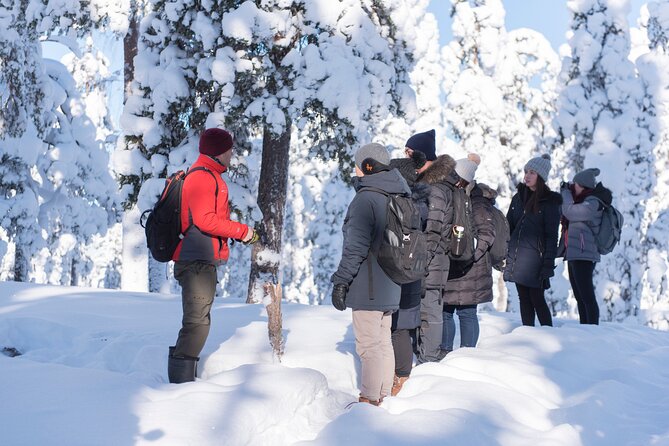
This tour is ideal if you want to feel competent outside in Arctic winter, not just take photos. It’s especially good for:
- Couples and friends who want a shared activity in a small group
- People who like learning by doing, including fire-making and practical outdoors skills
- Anyone curious about animal track interpretation and how to read signs in snow
- Travelers who appreciate an English-led guide and don’t want to hunt for rental gear
If your idea of a winter activity is mostly indoor warm comfort, or if you’re not comfortable with cold temperatures, this may feel like too much. It’s an outdoor survival-style tour, so you’ll be outside and moving.
Should you book the Wilderness Survival Tour – Winter?
Book it if you want a real winter skill session in Rovaniemi’s Arctic forests, with included winter gear, a warm campfire snack break, and guided teaching that helps you notice wildlife signs in snow. The small group size is a big reason this feels personal rather than rushed.
Skip it only if you strongly dislike cold or you need lunch included in your plans. If you’re willing to dress properly and you like hands-on learning, this is the kind of experience that sticks with you long after the photos fade.
FAQ
Where does the Wilderness Survival Tour – Winter start?
It starts at Wild About Lapland, Rova katu 24, 96100 Rovaniemi, Finland.
How long is the tour?
The duration is about 3 hours 30 minutes.
How big is the group?
The tour has a maximum of 8 travelers.
Is the tour offered in English?
Yes, it’s offered in English.
What winter clothing and boots are provided?
The tour includes professional winter clothing and boots.
What food and drinks are included?
Coffee and/or tea are included, and snacks are provided halfway through the tour.
Is lunch included?
No, lunch is not included.
What temperatures should I expect in winter?
In winter, temperatures may drop down to around -30°C.
Is free cancellation available?
Yes. You can cancel up to 24 hours in advance for a full refund.
What happens if weather is poor?
The experience requires good weather. If it’s canceled due to poor weather, you’ll be offered a different date or a full refund.