REVIEW · ROVANIEMI
Rovaniemi: Hiking and Snowshoeing Adventure in Lapland
Book on GetYourGuide →Operated by NordicUnique Travels · Bookable on GetYourGuide
Cold air, quiet forest, and a real view of the Arctic Circle—this is the kind of Rovaniemi winter outing that feels like you’ve gone off-grid. You get snowshoeing plus hiking in Lapland’s Arctic woods with an English-speaking guide, and you’re treated to hot blueberry juice with Lappish gingerbread afterward.
I especially liked how the guides set you up fast with snowshoe basics and then keep the pace friendly, even when the trail climbs. I also love the repeated chances for photos—like the moment you reach a high point and look out over snow-covered surroundings. One thing to consider: if winter snow is thin (or conditions are warm), the snowshoe part can be less dramatic, and the day may feel more like regular winter hiking.
In This Review
- Key Highlights You’ll Feel During the Walk
- Why This 3-Hour Rovaniemi Trip Works So Well
- Gear, Pickup, and the Real Setup on a Cold Morning
- The Start: Snowshoe Basics Done Without Fuss
- Walking Into the Deep Arctic Forest
- Frozen-Lake Moments and the Payoff at the Top
- Why the Blueberry Juice and Gingerbread Matter
- How Hard Is It, Really? (For Beginners, Kids, and Non-Sporty People)
- Guides: The Human Part That Makes It Feel Like Lapland
- Price and Value: What You’re Paying For
- Weather and Group Logistics: The Two Things to Watch
- Who Should Book This and Who Might Want Another Option
- Should You Book This Snowshoe and Arctic Circle Hike?
- FAQ
- How long is the tour?
- What does the tour cost?
- Is pickup and drop-off included?
- What gear is provided?
- Are snacks and drinks included?
- Is this tour suitable for wheelchair users?
- What language is the guide?
- Are there minimum group sizes or child rules?
Key Highlights You’ll Feel During the Walk
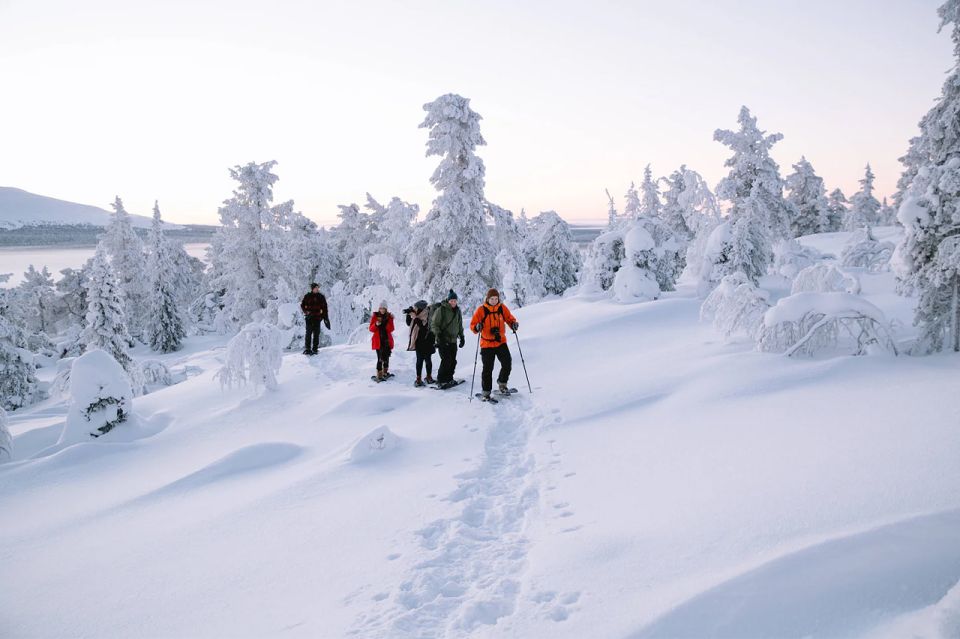
- Snowshoes and winter boots/overalls included, so you don’t have to overpack.
- Guides teach you first, then lead you into the deeper Arctic forest.
- Arctic Circle views from the trail make the effort feel worth it.
- Frozen-lake walking and forest routes can show up depending on conditions.
- Hot blueberry juice and gingerbread help you warm up at the end.
- Small-group feel in many departures, with guides watching the pace and stopping for photos.
Why This 3-Hour Rovaniemi Trip Works So Well
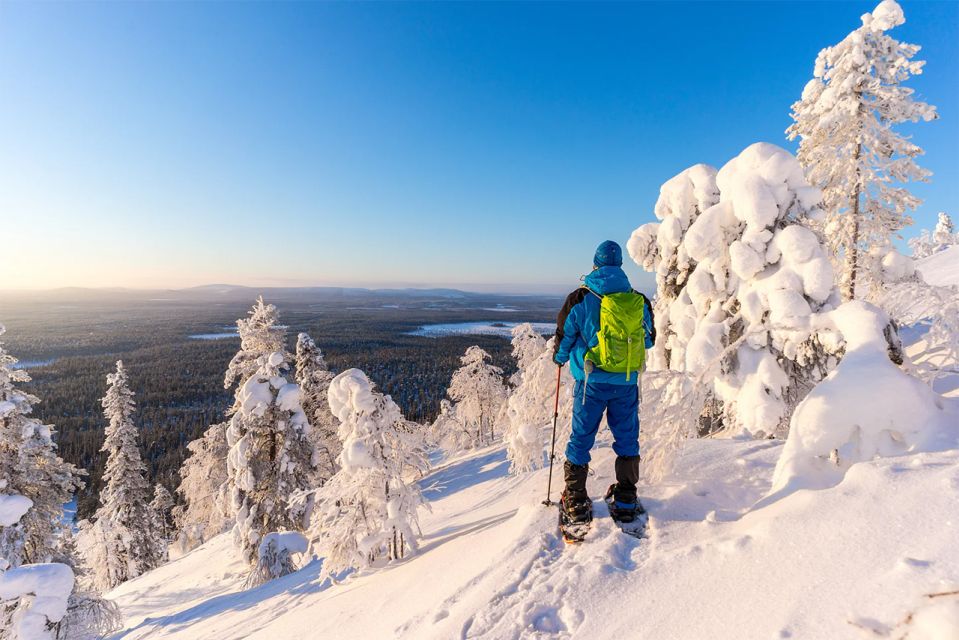
Three hours is a sweet spot in Lapland. Long enough to feel like an adventure, short enough that you’re not exhausted before the next Northern lights plan or dinner reservation. If you want winter outdoors without turning the day into a training camp, this format fits.
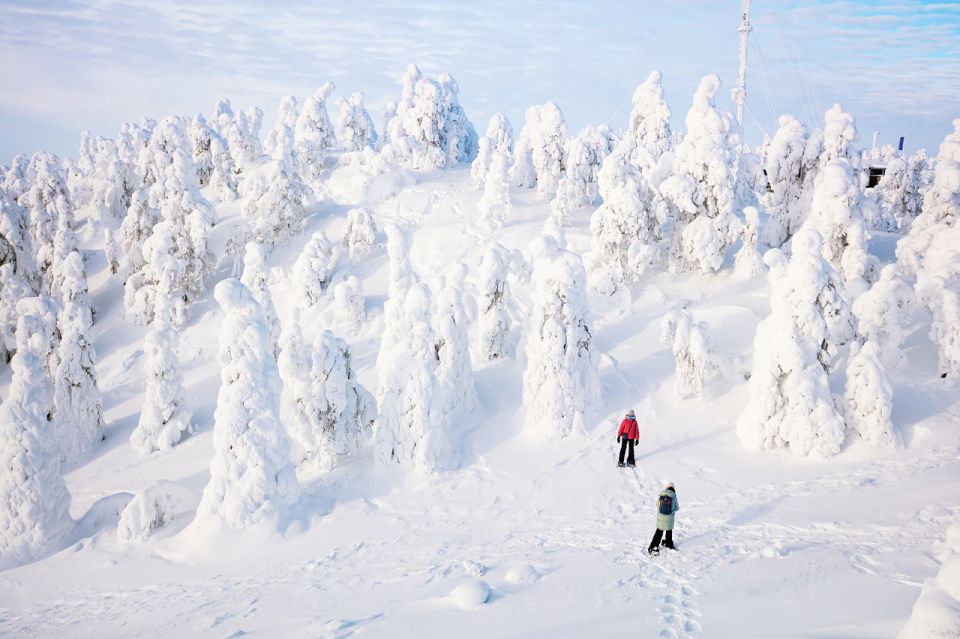
You’re also not just walking in snow. You’re walking in the Arctic Circle region, with a route that can include forest paths and sometimes a lake crossing. That shift—from open, snowy surfaces back into dense trees—is part of what makes the experience feel special.
You can also read our reviews of more hiking tours in Rovaniemi
Gear, Pickup, and the Real Setup on a Cold Morning
This tour is built to be low-stress. They pick you up and drop you off at selected accommodations within 10 km of Rovaniemi city center by driving distance. That matters because in winter, “I’ll just take a taxi” turns into “I’ve wasted half the day in transit.”
On the trail, you get winter clothing (overall) and boots, plus snowshoes. You don’t have to hunt for proper gear in town first, which is a big value point for travelers who arrive with just winter coats and hopes. (I always like activities that remove friction.)
The guide is English-speaking, and other languages can be requested (German, French, Italian, Spanish, Chinese). In practice, it also sounds like the guides do well at explaining what you’re seeing—like tree types, forest details, and wildlife clues—without making you feel like you’re in a lecture.
Tip: arrive a little early for the pickup. One pattern that comes up in the experience is that departure times can shift slightly with season and availability, so you’ll feel calmer if you’re ready and waiting.
The Start: Snowshoe Basics Done Without Fuss
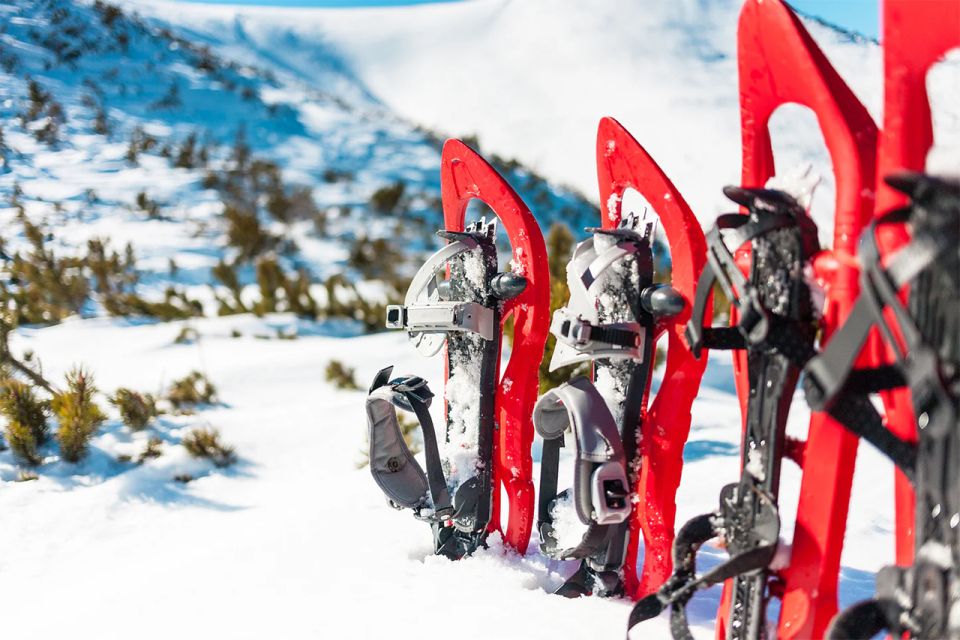
The guide shows you how to put snowshoes on and how to walk with them. That “learn first, then go” approach is key. Snowshoes look simple, but your stride changes, especially on small slopes and packed snow.
Most people pick it up quickly, but it’s still a workout. Expect your legs to do extra work, and don’t be shocked if you feel a bit wobbly at the beginning. Several guides are described as patient and attentive when someone struggles, including moments where they encouraged tired or clumsy participants to keep going at a comfortable pace.
You’ll also get a guided structure that helps you stop guessing. When you’re wearing unfamiliar gear in deep snow, it’s comforting to know the route is planned and someone is watching your footing.
If you’re the type who hates feeling rushed, this tour usually plays nicely. Reviews describe plenty of pauses and photo opportunities, not a “walk fast, no questions” vibe.
Walking Into the Deep Arctic Forest
Once you head beyond the first stretch, the forest changes how the cold feels. Inside the trees, wind drops off. Snow often looks cleaner and quieter, and the whole place feels more enclosed—like you’ve walked into a different world.
This is where the tour’s guiding style really shows. Guides lead you toward the deep Arctic forest and keep pointing out what’s happening around you. In different departures, you might hear about local tree types and how to read signs of animals moving in winter.
You’ll also be encouraged to look around for wild Arctic animals. You may not spot anything every time, but that instruction is useful because it changes your focus. Instead of just watching your shoes, you start scanning for tracks, movement, or shape changes in snow and underbrush.
Frozen-Lake Moments and the Payoff at the Top
A recurring feature in the experience is the chance to walk on or near a frozen lake before heading into the woods. That open, snowy surface gives you a different kind of feeling than the forest paths. When visibility is clear, it can also set you up for a strong viewpoint later.
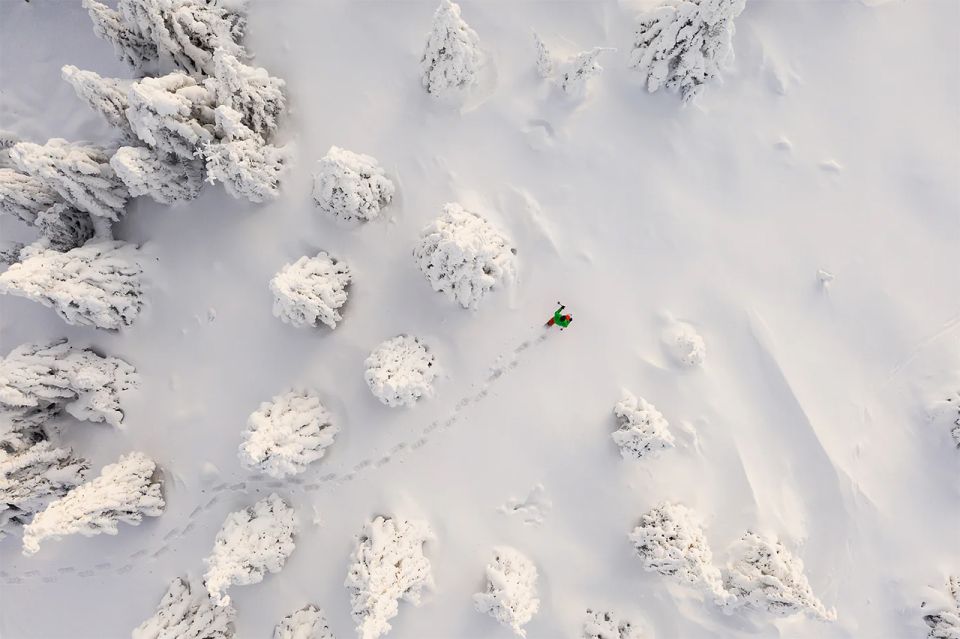
The route can include a moderate climb. Reviews describe it as manageable for many people, with a couple of uphill sections that feel challenging but not dangerous. One guide-led day is described as uphill being tough but views rewarding, with the return feeling easier because the trail goes more downhill.
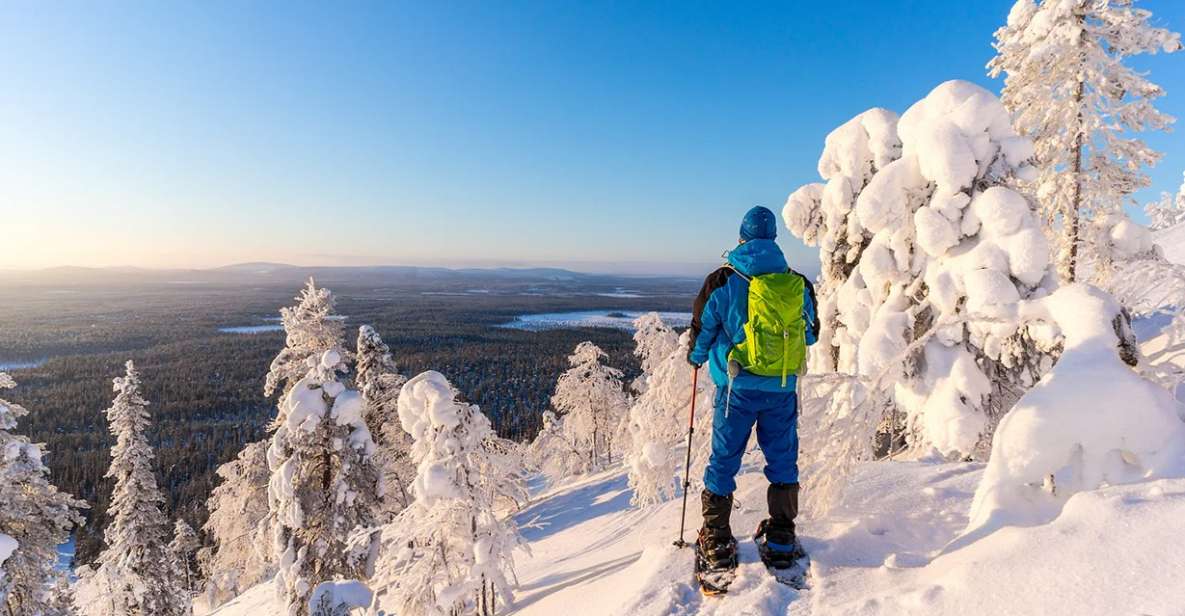
At the top (or at a main viewpoint), the payoff tends to be real: a standout view linked to the Arctic Circle experience. Even on cloudy days, the moment feels like the turning point—when you stop thinking about your feet and start taking in the winter scenery.
If you’re traveling with kids, this part is often where the “wow” kicks in. Still, it’s winter, so bring patience. Even with snowshoe instruction, children may need more breaks for comfort.
Why the Blueberry Juice and Gingerbread Matter
The snack stop is not an afterthought. In winter, warm drinks are part of the value because they help you recover and enjoy the day instead of shivering through it.
You’ll get hot blueberry juice and gingerbread after the snowshoeing segment. That simple pairing makes sense: it’s comforting, easy to handle after time outdoors, and it gives you something warm without slowing the group too much.
This is also when the tone becomes calmer. Guides often use the stop to check everyone’s energy levels and make sure people are feeling okay. If you’re the kind of traveler who gets cold fast, this is a small detail that can genuinely save the experience.
How Hard Is It, Really? (For Beginners, Kids, and Non-Sporty People)
This tour is described as enjoyable for non-sporting people and for children, but it’s still winter hiking on snow. Snowshoes create resistance, and the pace needs to match the conditions and the group.
So here’s the practical way to think about difficulty:
- If you can walk steadily for 3 hours in winter boots, you can probably do this.
- If you get tired quickly on short climbs, plan for slower moments and more breaks.
- If you’re brand-new to snowshoes, expect an initial learning curve.
Some reviews mention snowshoes being tricky at first, then becoming fine once people got the rhythm. That tracks with how these tools work. Your balance improves quickly once you trust the gear.
There’s also a reason why guides check the pace: the group can vary. Sometimes the group is small; other times it’s larger (one review mentions a group of about 18 people). Either way, a good guide prevents you from feeling like you’re holding everyone up.
Guides: The Human Part That Makes It Feel Like Lapland
The guides are a big reason people rate this highly. Names that come up include Sara and Marina, Lore and Ben, Ewa, Lina, Oscar, Jone, and Mario, Mary, Gigi, Camille, Antonella, Antoinette and Jacob, and Franco. People consistently describe the guides as kind, patient, and attentive.
One pattern I like: guides seem to help with the small, real-life needs. That can mean encouraging someone who’s clumsy at first, keeping an eye on comfort, or helping with photos when the lighting is right. If you travel solo, that kind of practical attention matters.
Another pattern: guides share details about the natural surroundings. Tree types, winter animal clues, and how to notice things in the forest make the walk feel less like transportation and more like interpretation.
Price and Value: What You’re Paying For
At $104 per person for a 3-hour guided experience, the value comes from three things you don’t need to buy or arrange yourself: transport pickup/drop-off, winter gear and snowshoes, and a guide-led route that takes you into the forest.
If you compare that to renting equipment in town (and then adding transport), this price starts to make sense. You’re also getting warmth built in via the hot blueberry juice and gingerbread stop, which is more meaningful in Lapland than it sounds.
The best value is for people who want the Arctic Circle feeling without logistical hassle. If you already own quality snowshoes, you can sometimes self-guide in winter, but you’d be spending time figuring out routes and paying for transport anyway. Here, the route and instruction are part of the package.
Weather and Group Logistics: The Two Things to Watch
This tour depends on winter conditions. One important consideration: if snow is limited due to warmer weather, snowshoeing may not feel as adventurous, and some days can shift toward a more traditional snowy hike. That’s not a deal-breaker, but it is a reality in Lapland.
Also, pickup and departure timing can change slightly. In some experiences, group assembly took a bit longer because other groups were joining. That can mean you wait a little at the start, even if you had a time in mind.
These are the tradeoffs of a real, outdoor activity. The good news is that the overall tone in reviews is that the guides keep things friendly and not rushed once you’re on the move.
Who Should Book This and Who Might Want Another Option
Book this if you:
- Want a guided Arctic Circle forest walk without planning gear rentals.
- Like winter activities that are active, but not extreme.
- Care about photo stops and a guide who pays attention to comfort.
- Travel with kids or with someone who wants a manageable outdoor challenge.
Skip it (or choose something else) if you:
- Use a wheelchair. This tour is not suitable for wheelchair users.
- Need a guaranteed snowshoe-heavy, strenuous hike no matter the weather. Conditions can change.
Should You Book This Snowshoe and Arctic Circle Hike?
I think it’s a strong book for most first-timers in Rovaniemi. The mix of snowshoe instruction, a guided route into deeper forest, and the warm finish with blueberry juice and gingerbread hits the sweet spot between adventure and comfort. If you want the Arctic Circle feeling without overcomplicating your day, this does that well.
My final advice: go in with flexible expectations about snow depth and exact timing. Then you’ll get the best version of it—quiet woods, a viewpoint worth the effort, and guides who help you feel confident the whole way.
FAQ
How long is the tour?
It lasts 3 hours.
What does the tour cost?
The price is $104 per person.
Is pickup and drop-off included?
Yes. Pickup and drop-off are included for selected hotels and accommodations within 10 km (driving distance) of Rovaniemi city center.
What gear is provided?
You receive winter clothes (overall and boots) and snowshoes.
Are snacks and drinks included?
Yes. You get gingerbread and hot blueberry juice during the tour.
Is this tour suitable for wheelchair users?
No. It is not suitable for wheelchair users.
What language is the guide?
The tour is guided in English. Other languages are available on request: German, French, Italian, Spanish, and Chinese.
Are there minimum group sizes or child rules?
Yes. The tour requires minimum group sizes depending on the day (2 people on weekdays and Saturdays, 4 people on Sundays and public holidays). Also, children under 12 must be accompanied by a paying adult.