REVIEW · ROVANIEMI
Rovaniemi: Ice Floating Experience
Book on GetYourGuide →Operated by Wonderlapland · Bookable on GetYourGuide
Floating on ice turns winter quiet into magic. This ice floating experience in Lapland puts you on a frozen lake in the middle of snow-covered wilderness, where the big sky does most of the entertaining. I love how thermal survival gear keeps you both warm and buoyant, so you can actually relax instead of fighting the cold. I also love the calm, Arctic-silent feeling you get from seeing the world from lower down, with nothing noisy around you—just you, the guide, and the lake.
One thing to plan for: the changing space can be cold in deep winter. When temperatures drop hard (you may see conditions around -24°C), you’ll want to move efficiently and consider wearing extra warm base layers so you’re not chilled before you even step into the gear.
In This Review
- Key Highlights You’ll Feel Right Away
- Ice Floating in Lapland: The Calm Part of Winter You Can Actually Live
- Private Land, Frozen Lake, and How the 3 Hours Usually Flow
- Getting Suited Up: Thermal Survival Gear That Actually Makes Sense
- The Floating Moment: What It Feels Like (and What You Need to Be Ready For)
- The Guide and Small Group Experience: Help When You Need It
- Warm Drink and Fresh Cookies: The Reset That Makes the Cold Worth It
- Weather and Rescheduling: How to Stay Flexible in Lapland
- Price and Value: Why $141 Can Be Fair for a 3-Hour Arctic Activity
- Who This Ice Floating Tour Suits Best (and Who Should Skip It)
- Should You Book This Ice Floating Experience?
- FAQ
- How long is the ice floating experience?
- Is pick-up and drop-off included?
- What is included with the tour?
- What language will the guide speak?
- Do I need to be able to swim?
- What should I bring or wear?
- Who is this experience not suitable for?
- Is alcohol allowed?
- What happens if the weather is bad?
Key Highlights You’ll Feel Right Away
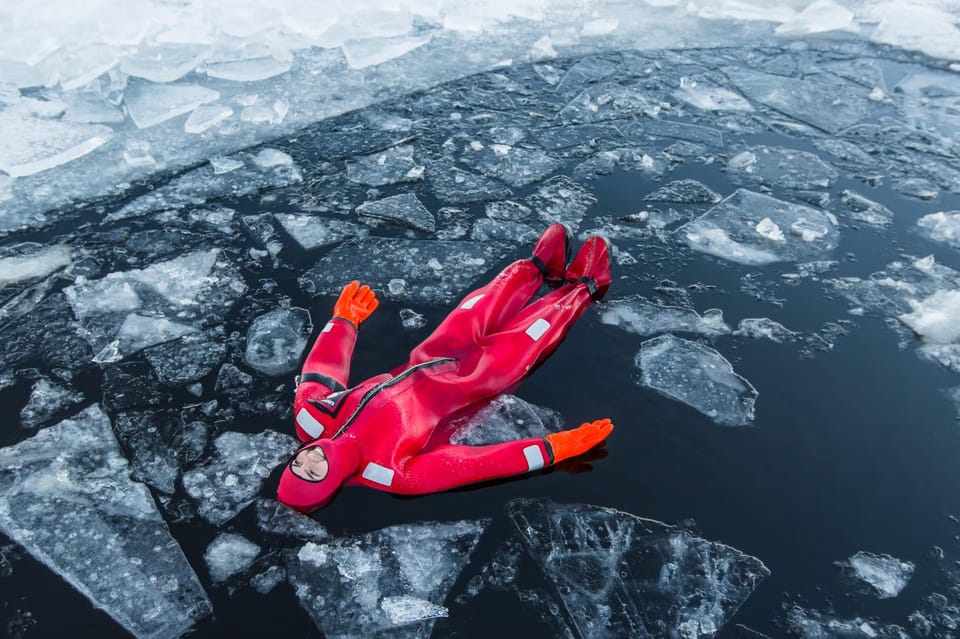
- Buoyant thermal survival suits help you stay warm while you float on the frozen lake
- A private-land setting keeps the experience quieter and more controlled
- Guide-led safety steps so you know what to do before you enter the water
- Small group size (max 9) means more hands-on attention
- Hot drink and fresh cookies right after, for a real end-of-activity reset
Ice Floating in Lapland: The Calm Part of Winter You Can Actually Live
This is not a quick photo stop where you stand on the edge and hope for good conditions. The point here is time on the water, with a serious focus on comfort and safety. In practice, that means the experience is built around your ability to stay relaxed while you float, and around the guide making sure you understand the steps before anything starts.
Lapland in winter has a certain kind of stillness, and ice floating takes it to a new level. You’re out there long enough for your body to stop bracing against the cold and start paying attention to details—like how sound travels differently in open snow air.
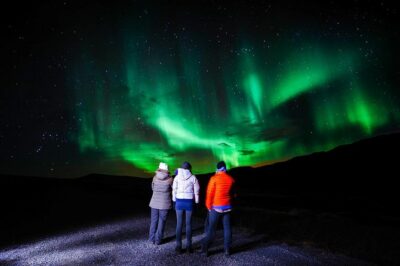
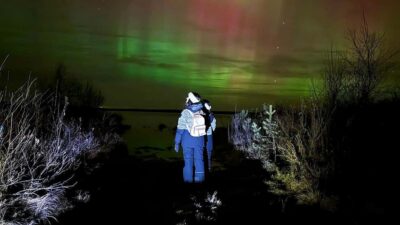
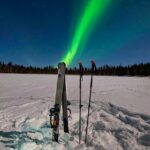
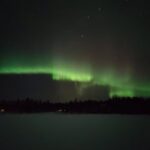
And yes, the view matters. You’ll be surrounded by untouched winter scenery and a wide sky that makes everything feel slower. If conditions line up, the sky’s light can be magical, and some people hope for Northern Lights-style moments—but don’t count on that. Plan to enjoy the calm even if the sky is just dark and clear.
You can also read our reviews of more tours and experiences in Rovaniemi.
Private Land, Frozen Lake, and How the 3 Hours Usually Flow
Your total time is about 3 hours, and you’ll feel that as a full “window” rather than a rushed session. While I can’t give exact minute-by-minute pacing (it varies with weather and the group), the sequence is usually straightforward.
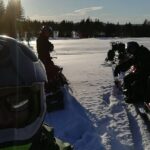
You’ll start with pick-up and drop-off included, so you’re not stuck figuring out the logistics. Then you’ll meet your live guide for a safety briefing and instructions on how the floating works. After that comes the part you came for: suiting up and getting onto the frozen lake, where the guide helps you settle into position and follow the safety rules.
Finally, the tour wraps with a warm reset: a hot drink and fresh cookies after you’re done. That matters more than it sounds. The experience is physical in cold conditions, and this warm-down is part of why the tour feels designed, not improvised.
Getting Suited Up: Thermal Survival Gear That Actually Makes Sense
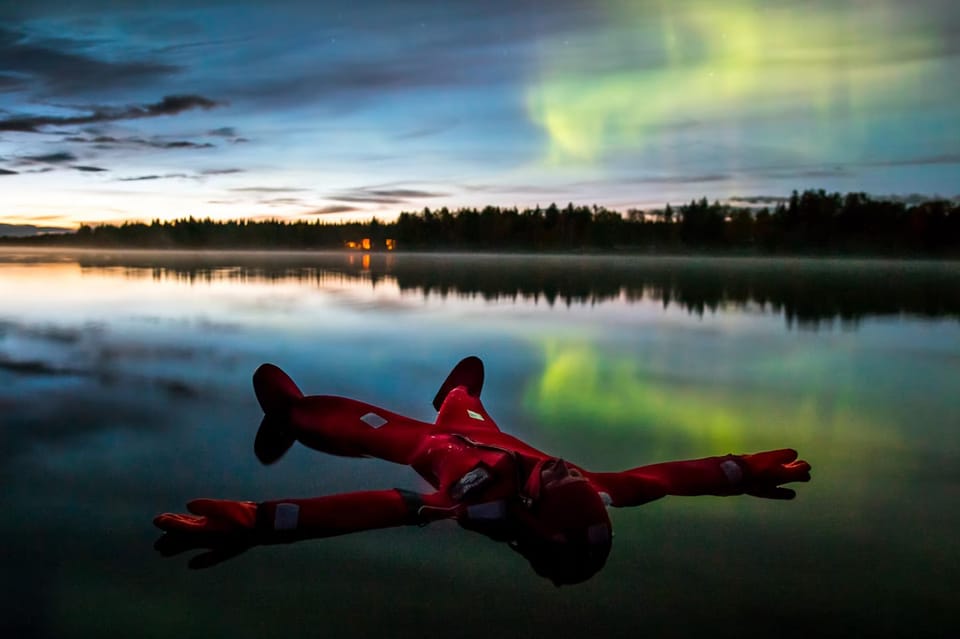
The big advantage of this tour is the gear. You’ll be provided thermal survival equipment that keeps you warm and also helps with buoyancy while you’re floating. That buoyancy is the key difference between ice floating and, say, trying to stand near ice and hope you don’t slip.
When you’re cold, your brain gets loud. It starts telling you to move, grip, and tense up. Good cold-weather gear reduces that panic loop, letting you focus on relaxing your body and listening to the guide’s directions.
Your job is simple: wear warm clothing that fits well under the provided gear. If you’re the type who gets cold easily, think about layering and long underwear-style warmth. You don’t want bulky clothes that bunch up, but you do want a reliable base layer so you’re comfortable during the waiting and the changing time.
The Floating Moment: What It Feels Like (and What You Need to Be Ready For)
This isn’t for people who are uncomfortable in water. The tour specifically notes that you should be able to swim and feel comfortable in the water setting. That requirement isn’t there to be strict—it’s there because ice floating still means you’re interacting with icy conditions.
Once you’re on the lake, the feeling is surprisingly gentle. Buoyancy plus thermal gear tends to make the experience feel stable, not like you’re fighting the water. The goal is calm floating, not frantic movement.
That calm is the point. You get a front-row seat to Arctic winter from a viewpoint most people never experience—lower to the ice, looking up at that huge sky. Even if you’re not the “outdoors person,” you’ll probably notice your attention shifting. The cold slows your thoughts down, and the quiet does the rest.
Practical mindset tip: treat it like a controlled activity. Listen to the guide, keep your body relaxed when instructed, and avoid overthinking every sensation. You’ll have moments that feel cold at first, but the gear and structure are designed to help you settle.
The Guide and Small Group Experience: Help When You Need It
The group stays small, limited to 9 participants, and that changes the tone. You’re not trying to learn in a crowd. You’re more likely to get clear personal attention if you have questions about buoyancy, safety steps, or how to position yourself.
Your guide runs a live tour in English, Spanish, or French, so communication tends to be direct and understandable. And because this is a cold-water activity, clarity is everything. Even if you know what ice floating is, the safety briefing is still where the tour earns its trust.
One detail worth planning around: on deep-winter days, comfort starts before you hit the lake. If the changing area is chilly, you’ll want to keep moving efficiently and avoid lingering in wet-cold clothes. Being ready to get suited up helps your whole experience feel smoother.

Warm Drink and Fresh Cookies: The Reset That Makes the Cold Worth It
After cold water time, you need warmth fast. That’s why the hot drink and fresh cookies aren’t a small extra. They’re part of how the activity closes.
This “warm-down” does two things:
- It brings your body back toward normal after the cold exposure
- It makes the experience feel complete, not like you just escaped the weather
Think of it as the social and sensory payoff. You’ll likely feel more talkative after, and you can compare notes on how the floating felt, what the sky looked like, and what you noticed from the water.
Weather and Rescheduling: How to Stay Flexible in Lapland
This is weather-dependent, which is normal in Lapland. If conditions are unsuitable, the experience may be rescheduled or canceled. That means your plan should include flexibility, especially if you’re traveling in the heart of winter and your itinerary is tight.
The good news is that the activity is designed around an Arctic environment, not a controlled indoor setting. If weather is right, you’ll get the real thing: ice floating on a frozen lake with that open-sky quiet.
If weather doesn’t cooperate, don’t treat it as a failure. Treat it like part of winter. The best approach is to pick a time slot that leaves wiggle room in your schedule.
Price and Value: Why $141 Can Be Fair for a 3-Hour Arctic Activity
At $141 per person for about 3 hours, you’re paying for more than just the novelty of floating on ice. You’re paying for the structure that makes it doable:
- Pick-up and drop-off are included
- You get thermal survival gear designed for warmth and buoyancy
- There’s a live guide and a safety briefing
- You finish with hot drink and fresh cookies
In other words, this isn’t DIY cold-weather tourism. If you’ve ever tried to arrange winter activities on your own, you know the hidden costs: transport, equipment, finding a safe setup, and dealing with weather. Here, the tour bundles a lot of that into one experience.
When assessing value, also consider comfort and risk management. Cold-water activities aren’t the place to cut corners. If you want a guided, gear-supported winter activity in Lapland, this price can feel reasonable—especially given the small group size and what’s included.
Who This Ice Floating Tour Suits Best (and Who Should Skip It)
This experience is built for people who are comfortable being in the water and can handle cold exposure. You’ll need to know how to swim and feel at ease with water-based instructions.
It also lists clear “not suitable” categories:
- Pregnant women
- People with back problems
- People with heart problems
If you’re in any of these categories, don’t try to negotiate the risk. Choose a different kind of Lapland experience that’s safer for your health.
Who tends to love this tour:
- You want something genuinely different from typical winter sightseeing
- You like quiet nature time more than busy schedules
- You want a guided winter activity with gear handled for you
- You’re comfortable following instructions in cold conditions
If your ideal day is short and warm, or you hate any idea of cold water, you may find this tour stressful. In that case, consider something more land-based.
Should You Book This Ice Floating Experience?
Book it if you want a real Arctic moment: quiet, guided, and designed so you can float without feeling like you’re improvising. The thermal gear, small group, and hot drink-and-cookie warm-down make it feel like an experience, not a dare.
Think twice if you’re very sensitive to cold or if you know your changing-room comfort matters a lot. The activity can be cold, and you may need to plan for a chilly space before you’re geared up. If that’s you, pack smart layers and move with purpose.
If your schedule has flexibility and you’re open to weather changes, this is the kind of Lapland winter activity that can become a top memory fast. The view from the ice isn’t something you replace with a photo from the shore.
FAQ
How long is the ice floating experience?
The duration is about 3 hours.
Is pick-up and drop-off included?
Yes, pick-up and drop-off are included.
What is included with the tour?
You’ll get thermal survival gear, a hot drink, fresh cookies after the activity, and a live tour guide.
What language will the guide speak?
The live guide offers English, Spanish, and French.
Do I need to be able to swim?
Yes. You should be comfortable in water and know how to swim.
What should I bring or wear?
Bring warm clothing. You’ll be provided with thermal survival gear, but your base clothing matters.
Who is this experience not suitable for?
It is not suitable for pregnant women, and people with back problems or heart problems.
Is alcohol allowed?
No. Alcohol and drugs are not allowed.
What happens if the weather is bad?
The experience is weather-dependent and may be rescheduled or canceled in unsuitable conditions. There is free cancellation up to 24 hours in advance for a full refund, and you can reserve now and pay later.