REVIEW · ROVANIEMI
Rovaniemi: Ranua’s Wildlife Park Ticket with Transportation
Book on GetYourGuide →Operated by SV Travel Rovaniemi · Bookable on GetYourGuide
A winter zoo beats most indoor plans.
This Ranua Wildlife Park day trip from Rovaniemi pairs a door-to-door minibus transfer with your zoo ticket, so you can focus on the real draw: meeting Arctic animals in a snowy forest setting. Ranua is often described as the northernmost zoo in the world, and the whole place is designed for winter viewing, not summer crowds.
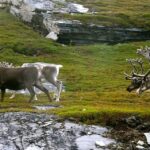
I especially like the way the park lets you see animals close up without feeling rushed. The walk through the snow comes first, then you get a guided look before you set your own pace. Another big plus for me is the variety you can realistically look for—polar bear, elk, lynx, wolves, and owls—plus the arctic favorites many people hope to spot, like arctic fox.
One thing to consider: this isn’t a private, spacious ride. It’s a small minibus, and depending on the day, seating can feel snug. Also, lunch is on you, so plan for an extra stop at the zoo café if you’ll want a full meal.
In This Review
- Key takeaways before you go
- Door-to-door transport from Rovaniemi (the part you don’t want to stress about)
- Arriving at Ranua Wildlife Park: photo stop, winter forest walk, and first impressions
- The winter zoo setup: how Ranua helps you see animals in cold weather
- Animals to look for: polar bear, wolves, lynx, and the rest of the Arctic cast
- Guided tour plus free time: how to use your time wisely
- Photo stop and viewpoints: why the park feels different than online photos
- Food and souvenirs: plan for lunch outside the ticket
- Price and value: what you’re really paying for
- Who should book this Ranua Wildlife Park day trip
- Quick practical tips for a smoother snowy day
- Should you book this Ranua Wildlife Park day trip?
- FAQ
- How long is the Ranua Wildlife Park trip from Rovaniemi?
- What’s included in the price?
- What time does pickup start in Rovaniemi?
- How does meeting the driver work?
- What animals can I expect to see?
- Will I have time to explore on my own?
- Is lunch included?
- What should I bring for the winter walk?
- What languages are available for the driver?
Key takeaways before you go
- Door-to-door pickup from your Rovaniemi accommodation, with clear meeting instructions sent a few hours before.
- Winter-friendly viewing with pathways (including high walkways that look down into enclosures), made for cold-weather animal spotting.
- Guided start, then freedom: a guided tour plus free time, with about 3 hours to explore at your pace.
- Arctic animal focus: expect polar bear, elk, lynx, wolves, and several owl species, with more depending on what’s active.
- Warm clothing matters: the park walk is part of the experience, so shoes and layers are not optional.
Door-to-door transport from Rovaniemi (the part you don’t want to stress about)
The whole day is built around an easy rhythm: pickup in Rovaniemi, a straightforward drive to Ranua, time in the park, then return. Hotel pickup starts at 9:15, and the driver waits about 5 minutes at your meeting point before moving on. You’ll get a message with the exact meeting time a few hours before departure, so keep an eye on your phone and be ready a bit early.
The transport is by minibus, generally described as comfortable, with an English-speaking driver (some drivers also speak Ukrainian or Russian). On snow days, the road can be trickier than you’d expect, so I appreciate that you’re not navigating winter driving yourself.
Two practical notes from real-world experience:
First, the timing tends to be organized. People have specifically mentioned that they weren’t left standing around outside. Second, the minibus can feel tight. One common theme is that most people fit fine, but if you’re sensitive to cramped seating (especially in the back), you may want to mentally prepare for a cozy ride.
You can also read our reviews of more tours and experiences in Rovaniemi
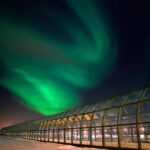
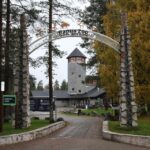
Arriving at Ranua Wildlife Park: photo stop, winter forest walk, and first impressions
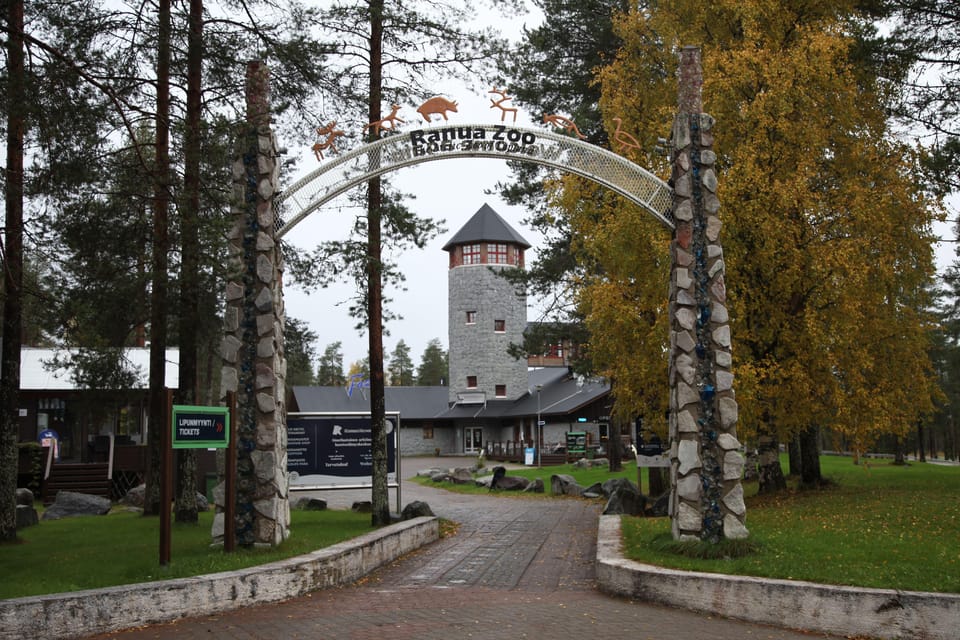
Once you reach Ranua, the visit starts right away. You’ll have a photo stop and a guided component before you spend a good chunk of time walking and exploring on your own. The setting is the big mood-setter: a snowy forest, cold air, and that Arctic feeling that doesn’t get replicated indoors.
This is also where you learn something useful about winter wildlife. In cold weather, animals can change behavior—sometimes more active, sometimes less obvious—so going in with flexible expectations makes the day more fun. The park’s design helps: you’re not just searching randomly through trees. Paths and viewpoints funnel you toward the best spots to watch.
And yes, the walking matters. Even if you move at a casual pace, expect a winter day where you’re outside for stretches. That’s why warm shoes and layers aren’t just comfort—they’re the difference between enjoying the scenery and rushing through it.
The winter zoo setup: how Ranua helps you see animals in cold weather
Ranua isn’t a typical zoo layout. The viewing is built around winter movement and visibility. One standout detail is the use of high pathways that look down into enclosures. That changes the whole experience because you can spot animals without waiting for them to move across snow-covered ground at eye level.
You’ll spend time on a mix of guided and self-guided exploring. The guided tour helps you understand where to focus your time. After that, you’re free to slow down, revisit favorite enclosures, and take breaks when your hands need a warm-up.
This is also a good place to remember that Arctic winters can make everything quieter. Snow absorbs sound. Wind changes the feel of cold. Animals may be harder to see in the fur-and-feather blend of winter camouflage. If you keep scanning calmly—rather than sprinting between enclosures—you’ll usually get better results.
Animals to look for: polar bear, wolves, lynx, and the rest of the Arctic cast
The park’s core theme is Arctic-adapted species, and the animal list you’ll likely plan around is strong. Based on what the experience is designed to show you, you should look for:
- Polar bear
- Elk
- Lynx
- Wolves
- Species of owls
Many people also mention standout moments with other animals in the park, including arctic fox, and additional bears like brown bear, depending on what’s on view and active that day. Snow owls are also frequently mentioned as a highlight.
Here’s my practical advice: don’t set your heart on one animal and then get discouraged if it’s quiet. Use a simple strategy. Start with the main must-sees while you still have energy, then use your self-guided time to circle back to enclosures that looked promising. If you happen to catch feeding time, great—just don’t rely on it.
Also, keep an eye on behavior changes. In cold weather, animals may conserve energy. The best “spotting” can be slow watching: ten seconds turns into a minute, then suddenly you see motion.
Guided tour plus free time: how to use your time wisely
Your time at the zoo isn’t just one long walk. It’s structured so you get orientation and then flexibility. The day includes a guided tour plus free time, with about 3 hours for self-guided exploring.
That mix is valuable because Ranua is much easier when you know what you’re looking at. A guide can point out the best viewing angles, which enclosures are worth prioritizing, and how the park is laid out in winter. After that, you can do what you do best: linger, take photos, and step into warm breaks without feeling like you’re falling behind.
A good way to plan your walk:
1) Use the guided part to learn the “map” of the park.
2) During free time, start with the big ticket enclosures (polar bear and wolves are often top priorities).
3) Then switch to whatever else is active—owls and smaller birds can be surprisingly rewarding when you slow down.
If you’re traveling with kids, this pacing can work well. The visit ends before late afternoon, and you get enough flexibility to keep energy levels from crashing.
You can also read our reviews of more tours and experiences in Rovaniemi
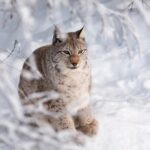
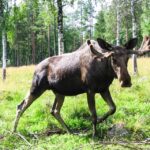
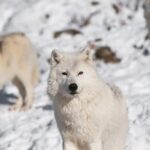
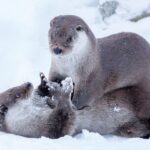
Photo stop and viewpoints: why the park feels different than online photos
Online pictures can trick you. Ranua is real scale in winter—cold air, snow textures, animal movement, and enclosure design that only makes sense once you’re there.
The included photo stop helps you get oriented, and the viewing structure gives you angles that feel more like wildlife observation than zoo wandering. People often talk about how the high walkways change what you can see, and I agree with that logic: looking down can reveal animals that you’d miss from ground level.
If you’re photographing, wear gloves you can actually use. You’ll want them on, but you also need decent dexterity to adjust your camera. Take breaks on purpose. When you warm up, you’ll shoot smarter instead of rushing.
Food and souvenirs: plan for lunch outside the ticket
Lunch isn’t included, but you’re not left hanging. There are restaurants and café options at the park, plus souvenir shops right next to the zoo.
This is where the “small details” make the day easier. You can plan a mid-visit coffee break, warm up, and then continue walking without losing transportation time. The café time also becomes a built-in reset if the cold hits harder than you expected.
My suggestion: if you’ll want something more than a quick snack, decide whether you’ll eat a full meal or keep it light. Since lunch isn’t covered, going in hungry can turn into an expensive detour later.
Price and value: what you’re really paying for
At $116 per person for a 5-hour outing, this isn’t a bargain day trip. But it also isn’t just a zoo ticket in disguise. You’re paying for three things bundled together:
- The zoo ticket
- Hotel pickup and drop-off
- A comfortable minibus transfer that saves you from figuring out winter timing and transport
One reason the value can make sense is simple: winter schedules and limited public transport options can be a hassle, especially on weekends or when conditions change. Door-to-door pickup means you lose less time and worry.
That said, if you’re very price-focused, you might feel the cost because you’re also paying for shared transport. Some people have commented on cost compared with the idea of taking a taxi. My balanced take: if you hate winter logistics, this package is money well spent. If you already have a flexible transport plan, you might be able to do it cheaper—but you’ll trade that for more effort.
Who should book this Ranua Wildlife Park day trip
This trip fits best if you want an Arctic animal day without turning it into a logistics project.
You’ll probably like it if you:
- Want a winter zoo experience with structure (guided tour + self time)
- Prefer pickup from your accommodation instead of navigating buses in snow
- Like seeing multiple Arctic species in one outing rather than doing one themed stop
- Travel with kids and want a day that runs by mid-afternoon
You might want to think twice if:
- You’re very sensitive to cramped seating in a small minibus
- You plan to do long, slow winter walks and tend to get cold easily (bring extra layers)
- You’re only interested in one specific animal and you get disappointed if that species is quiet that day
Quick practical tips for a smoother snowy day
Here’s what will help most when you show up at Ranua in winter:
- Dress in layers and prioritize warm shoes over style.
- Pack warm gloves you can actually use for photos and phone screens.
- Plan on being outside for a real walk. This isn’t just a quick stop.
- Bring a bit of patience for animal spotting. Winter visibility can vary.
- If you want extra comfort on the ride, think about your seat placement and whether you’re okay with a compact vehicle.
And one small mindset shift: a snowy day can be magical even when animals are less active. Watching how they move—or rest—sits at the heart of the Arctic zoo experience.
Should you book this Ranua Wildlife Park day trip?
If you’re in Rovaniemi and you want a simple, winter-focused day with Arctic animals plus an easy transfer, I’d book it. The best part is the combo: ticket + door-to-door minibus means you spend your energy on the park, not transport.
Skip it only if you already have a transport plan you love, you’re very budget-driven, or you’re uncomfortable with snug seating. Otherwise, this is a strong way to spend a cold day in Finland: outside, structured, and built for winter viewing.
FAQ
How long is the Ranua Wildlife Park trip from Rovaniemi?
The total duration is about 5 hours, with time spent at Ranua Wildlife Park including guided and self-guided portions.
What’s included in the price?
You get comfortable minibus transportation, hotel pickup and drop-off in Rovaniemi, and your Ranua Zoo ticket.
What time does pickup start in Rovaniemi?
Hotel pickup starts at 9:15.
How does meeting the driver work?
You’ll receive a message about the meeting time a few hours before the tour. Be ready a few minutes early and wait outside your hotel or apartment. The driver waits for about 5 minutes.
What animals can I expect to see?
The experience is designed for Arctic species like polar bear, elk, lynx, wolves, and species of owls.
Will I have time to explore on my own?
Yes. You’ll have a guided tour plus free time, and you’ll also have about 3 hours for self-guided walking.
Is lunch included?
No. Lunch is not included, but you can eat at restaurants/cafés near the zoo.
What should I bring for the winter walk?
Bring warm clothing and warm shoes.
What languages are available for the driver?
The driver speaks English, Ukrainian, and Russian.
If you want, tell me your travel month and whether you’re visiting with kids. I can help you decide if this timing fits your day, and what to prioritize once you’re inside Ranua.