REVIEW · ROVANIEMI
Snowshoeing Adventure with Ice-Fishing, Fire and Survival
Book on Viator →Operated by Nordic Odyssey · Bookable on Viator
Frozen lakes teach survival fast. In this 4-hour Rovaniemi outing, I like how you learn map-and-compass orientation before heading out, and I also like the hands-on ice-fishing plus campfire cooking part that turns a walk into something practical. The only real catch is that this experience needs good winter weather, so plan to be flexible if conditions force a change.
You’ll go out with a small group (max 8), and the tour runs in English. One standout detail from past groups: when the guide is Timo, the teaching style gets praised for being hands-on, especially around starting a fire and practicing survival basics. If you’re traveling with kids, this format can work well, but you should still expect cold outdoors and a little physical effort from the snowshoe walk.
In This Review
- Key Highlights Worth Planning For
- Rovaniemi Snowshoeing With Ice Fishing: What You’re Signing Up For
- Meeting at Jaakonkatu 4–6 and Keeping the Day Simple
- Snowshoes and Compass Lessons on the Way to the Frozen Lake
- Making Fire the Arctic Way: Tools, Trees, and Medicinal Tips
- Reaching the Shore: What to Expect Once You’re at the Frozen Lake
- Ice-Fishing and Cooking Your Catch Over an Open Campfire
- Finnish Barbecue Snack and Campfire Talk That Actually Helps
- Price and Value for $150.03: Skills, Food, and Small-Group Time
- Who This Tour Fits Best (and When to Rethink)
- Should You Book This Snowshoe Survival Adventure?
- FAQ
- How long is the snowshoeing adventure?
- Where does the tour start and end?
- Is pickup available?
- What language is the tour in?
- How large is the group?
- Do you actually ice-fish during the tour?
- What happens if the weather is bad?
Key Highlights Worth Planning For
- Map and compass navigation before you reach the frozen lake
- Snowshoe walk into the quiet Lapland forest with an outdoor guide
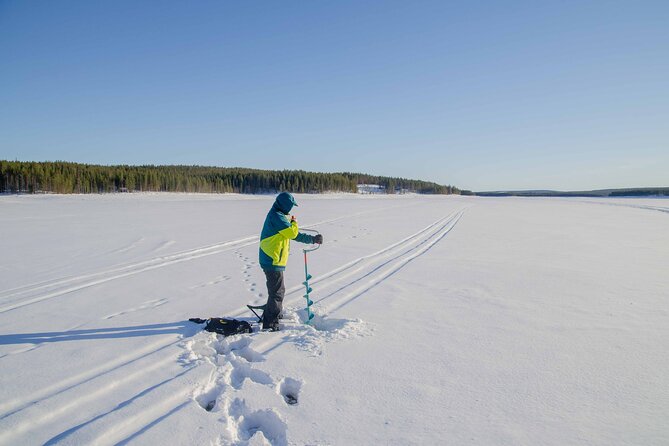
- Drill your own ice-fishing hole and cook fish over an open campfire
- Fire-making practice using local materials like trees and even mushrooms
- Survival food tips from local flora and fauna, including medicinal uses (taught by your guide)
- Finnish barbecue snack prepared around the fire if you don’t catch anything
Rovaniemi Snowshoeing With Ice Fishing: What You’re Signing Up For
This isn’t just a pretty winter walk. You’re pairing snowshoeing with survival-style learning, then finishing at a frozen lake where you try ice-fishing and cook what you catch. In other words, you’re getting a mix of movement, skills, and food, all in a tight 4-hour block.
The core value here is that you’re not watching from the sidelines. You’re practicing basic outdoor navigation with your guide, then doing the work: setting up a camp, making a fire, drilling a hole, and cooking on the spot. That kind of structure matters in Lapland, because winter changes everything fast. Cold, darkness creeping in, and snow conditions all turn “simple” tasks into real skills.
You’re also in English, and the group cap is 8 travelers, which keeps the pace from getting crowded. That small-group feel is part of why a tour like this can be worth the money: you get time to ask questions and actually try things.
You can also read our reviews of more tours and experiences in Rovaniemi
Meeting at Jaakonkatu 4–6 and Keeping the Day Simple
The experience starts at Jaakonkatu 4–6 in Rovaniemi and ends back there. That round-trip setup makes it easier to fit into a day that also includes other winter activities.
Pickup is offered, and the meeting point is near public transportation. If you’re staying in central Rovaniemi or you want to avoid timing stress, pickup can be a low-effort way to keep your schedule smooth. You’ll also get a mobile ticket, so you’re not hunting for paper in winter.
Average booking timing runs about 40 days in advance, so if your dates are fixed, don’t wait until the last minute. Small groups and popular winter slots add up quickly.
Snowshoes and Compass Lessons on the Way to the Frozen Lake
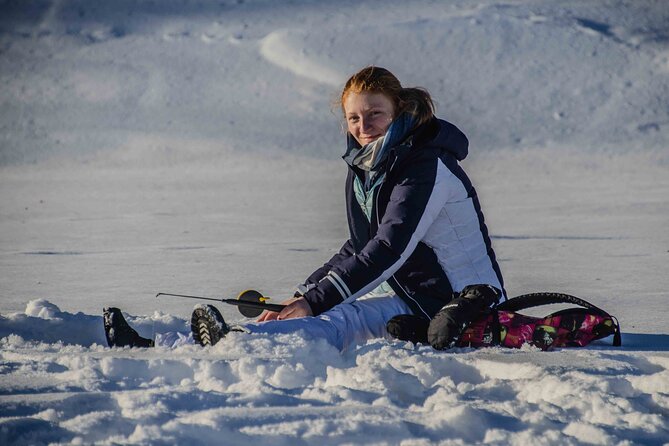
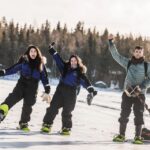
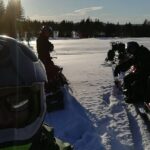
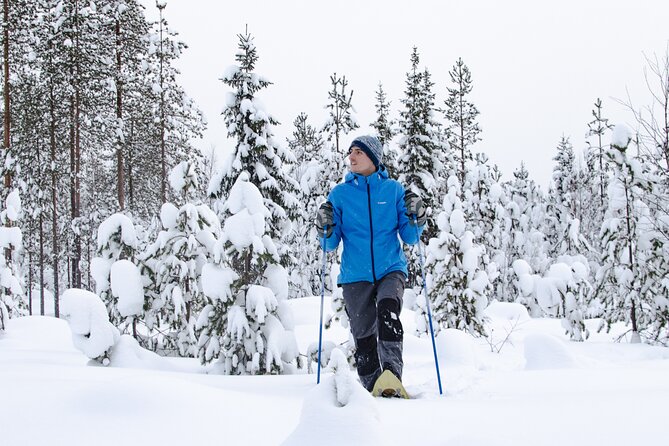
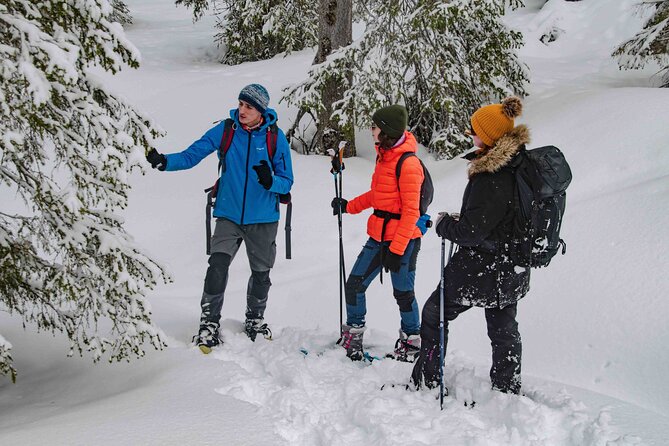
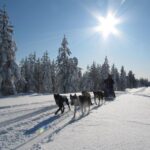
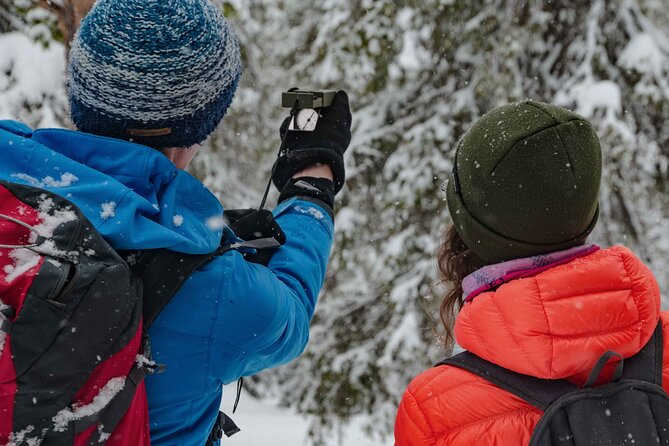
Once you’re in the snow, the tour becomes a guided training walk. You’ll put on snowshoes and move through quiet winter forest, with your outdoor guide explaining how to survive and move safely in harsh conditions.
A key early step is learning to orient yourself using a map and compass. This isn’t just theory. You’ll use the tools with the guide’s help to find your way to the shoreline of a large frozen lake. For you, that means you come away with something you can use again, not just a photo stop.
Why this matters: snow and forest can trick your sense of direction. Tracks disappear, landmarks look similar, and paths can be hard to judge when everything is white. Practicing orientation in real conditions is exactly the kind of skill that makes the rest of the day feel less random and more like purposeful travel.
You’ll also get nature knowledge along the route. The guide shares what’s around you and how Arctic survival traditions connect to everyday choices, like what materials you can use later at camp.
Making Fire the Arctic Way: Tools, Trees, and Medicinal Tips
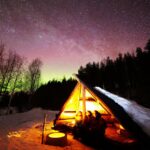
At some point, you set up your own small camp and work on fire. This is one of the best parts of the experience because it’s practical and visible. You’ll build your fire to warm up and to cook.
The guide teaches how to start a fire using a tool, plus guidance on using local materials. The tour description specifically mentions using certain trees or mushrooms for fire-making, and also references how those local materials can tie into medicinal purposes.
A quick reality check you should keep in mind: “medicinal” here is educational, taught by your guide in an outdoor context. That’s very different from trying to self-treat later on your own. If you’re taking mental notes for future learning, keep it at the level of respectful curiosity and follow the guide’s safety boundaries.
One detail that stands out from past groups is that people leave having actually learned how to start a fire with the tool, not just watched someone else do it. That’s where this tour earns its keep. You don’t just earn warmth; you earn competence.
Reaching the Shore: What to Expect Once You’re at the Frozen Lake
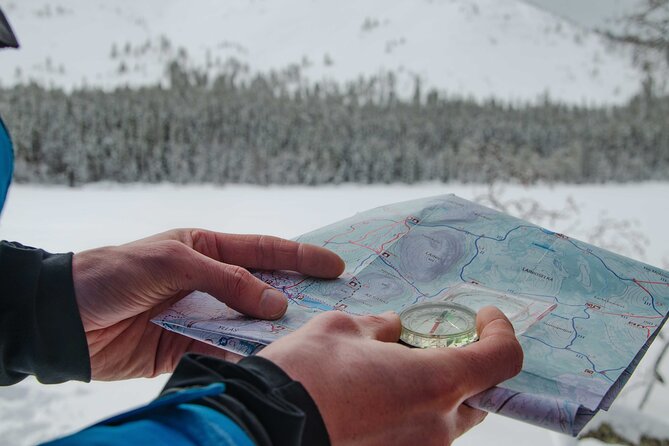
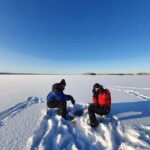
When you finally get to the lake, the day shifts from walking to doing. You’ll go from following a route to working around the constraints of ice and winter conditions.
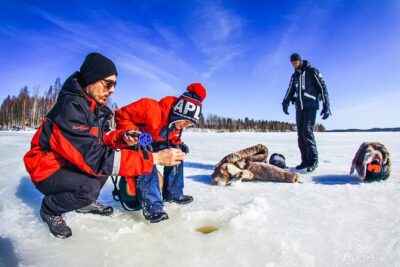
The lake itself is the stage for the biggest “Arctic adventure” moment: ice-fishing. You’ll be shown how the process works, and then you’ll drill your own hole. That drill-and-hole step is more work than you might expect, but it’s also the moment when the experience becomes truly hands-on.
This is also a good spot to ask questions. If you’re the type who wants to understand the why behind the how, this part gives you time to connect survival lessons to the natural world you’re standing on.
Ice-Fishing and Cooking Your Catch Over an Open Campfire
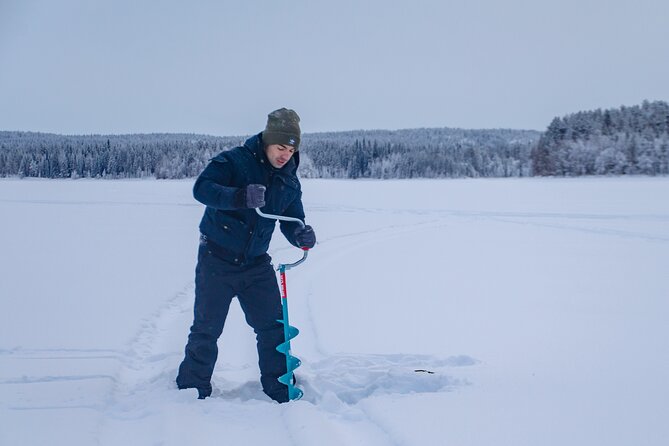
Now comes the ice-fishing. You drill a hole in the frozen lake, then try to catch a fish. If you’re lucky and you get a catch, your guide shows you how to grill it over the open campfire.
Even if you’re new to fishing, the tour’s structure helps. You’re not expected to figure it out alone. Your guide is there to demonstrate and guide, so you can focus on learning the steps.
And if you don’t catch anything, you’re not left hungry. You’ll still get a prepared Finnish barbecue snack by your guide. That “backup plan” matters because it keeps the day enjoyable. You still get the fire, the warmth, the snack, and the chance to ask survival and Lapland questions, regardless of your luck at the hole.
For me, that combination is a big deal: you get the thrill of trying ice-fishing, but the meal experience doesn’t depend entirely on skill or weather luck.
Finnish Barbecue Snack and Campfire Talk That Actually Helps
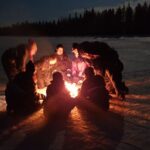
Around the fire, you get a convivial break. This is where the tour shifts from activity to conversation. Your guide answers your questions about Lapland, and you can connect the dots between what you learned on the trail and what you’re seeing at camp.
This is also the moment when you’ll appreciate why the group size stays small. In a group that’s too large, campfire time becomes a blur. Here, you’re more likely to get a real back-and-forth, especially if you’re traveling with kids and need explanations you can repeat and simplify.
If you enjoy practical storytelling—how locals manage in winter, what materials matter, why navigation is more than trivia—this part of the day hits well. You’re learning survival basics that Lappish cultures have used in the Arctic for a long time, and your guide helps you translate that into something you can understand and practice.
Price and Value for $150.03: Skills, Food, and Small-Group Time
At about $150.03 per person for roughly 4 hours, this tour isn’t a “cheap afternoon activity.” It’s priced like a skill-based guided experience, and you should evaluate it that way.
Here’s what you’re paying for:
- Small group size (max 8), which supports hands-on attention
- Guided navigation training with map and compass
- Fire-making practice with a tool and instructions tied to local materials
- Ice-fishing attempt plus cooking over the campfire if you catch something
- A Finnish barbecue snack even if fishing luck isn’t on your side
That package is why the cost can make sense. You’re not only buying scenery. You’re buying instruction and time—time to practice, get corrected, and ask questions.
One more practical value note: since the tour requires good weather, booking earlier helps you avoid last-minute scramble. And with an average booking window around 40 days, it’s another sign this activity tends to fill.
Who This Tour Fits Best (and When to Rethink)
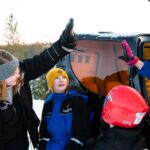
This tour suits you if you want active learning in winter, not just a walk. It’s also a good match for families, based on what’s worked for a group that brought kids aged 7 and 9. The format has clear steps, frequent moments to teach, and the fire-and-food payoff keeps kids engaged.
It’s also a fit if you:
- enjoy hands-on outdoor skills (navigation, fire, cooking)
- like getting practical answers about Lapland, not only folklore
- want a small-group experience in English
Rethink it if you:
- hate cold weather or struggle with staying outdoors for several hours
- want a low-effort, slow-paced activity without any cold-weather practice
- prefer activities where the meal outcome doesn’t involve waiting through ice-fishing steps
The tour says most travelers can participate. Still, it’s winter outdoors, and you’ll be snowshoeing and working with tasks that take a bit of effort.
Should You Book This Snowshoe Survival Adventure?
If you want one winter experience in Rovaniemi that combines real skills with a genuine arctic-feeling setting, I’d say it’s worth booking. The standout mix is navigation practice plus fire-making plus ice-fishing, then a warm, Finnish snack around the fire. That’s the kind of “I can do this” learning that lasts longer than photos.
Book it if you’re excited by learning how people adapt to Arctic conditions—using map and compass, building fire with local materials, and understanding how survival knowledge connects to food and medicine traditions. Skip it if you’re looking for purely scenic time with minimal exertion.
FAQ
How long is the snowshoeing adventure?
It lasts about 4 hours.
Where does the tour start and end?
It starts at Jaakonkatu 4–6, 96200 Rovaniemi, Finland and ends back at the same meeting point.
Is pickup available?
Yes, pickup is offered.
What language is the tour in?
The tour is offered in English.
How large is the group?
The group size is capped at a maximum of 8 travelers.
Do you actually ice-fish during the tour?
Yes. You’ll drill your own hole and try ice-fishing. If you catch a fish, your guide shows you how to grill it over the campfire. If you don’t catch one, you’ll still have a Finnish barbecue snack.
What happens if the weather is bad?
The experience requires good weather. If it’s canceled due to poor weather, you’ll be offered a different date or a full refund.
If you tell me your travel month and whether you’re bringing kids (and their ages), I can help you judge how this pace and cold exposure fits your trip.